
Making an Anchor Cable for USS Constitution (model)
by John
A long time between posts. Sorry. I have been rigging the model Constitution, every day, for the past month. 4-6-8 hours every day. Obsessed and too busy to do anything else, including talking, writing, sleeping, eating.
But, it is now finished. Phew! Almost anyway. And I have taken a few photos along the way.
Mostly it was demanding and interesting.
The anchor cables were different from the other ropes which I have made.
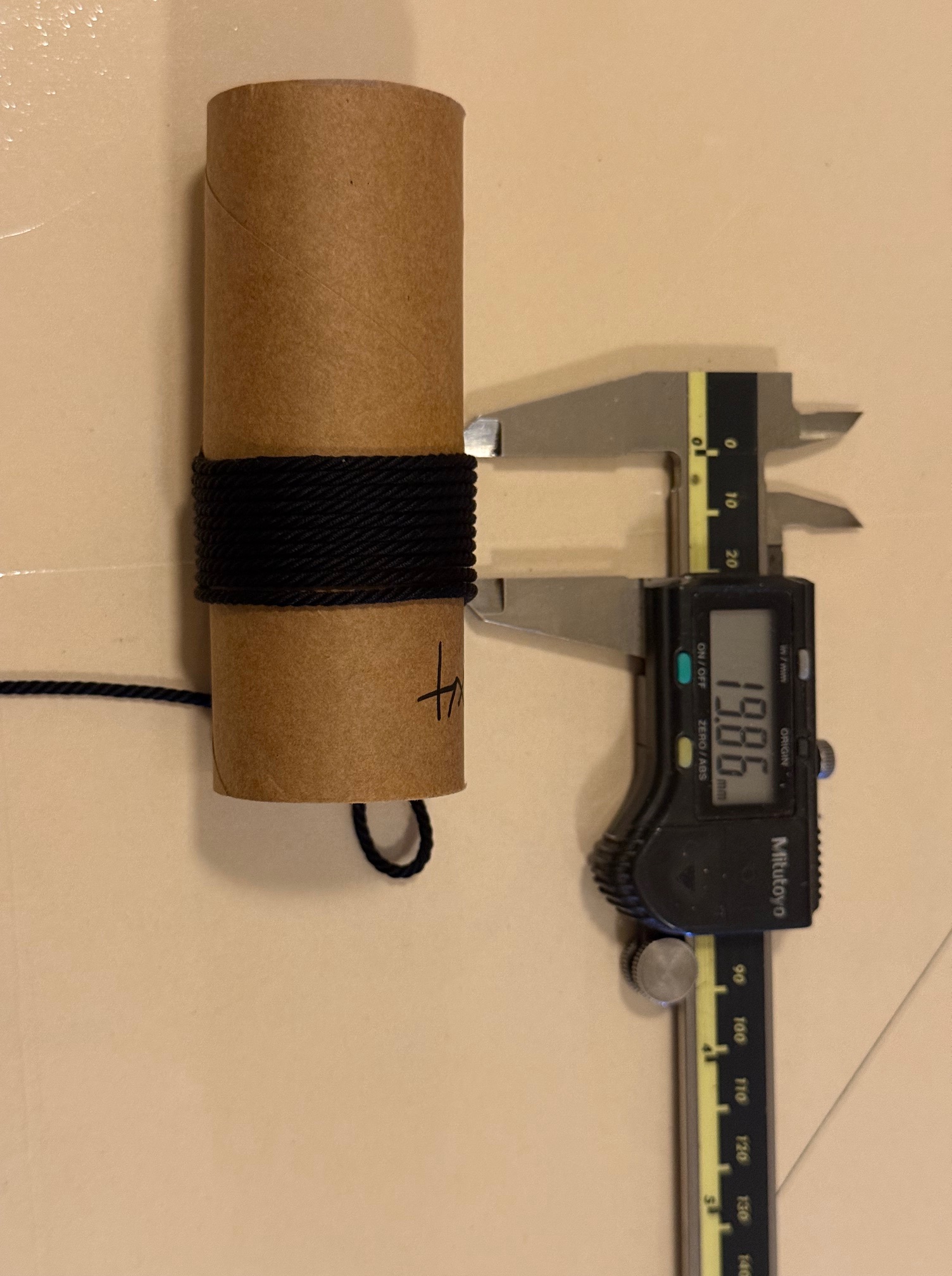
They are the biggest cables on the USS Constitution, 182mm/7+” diameter. On the 1:93 model scale that becomes 2mm diameter!! HUGE!
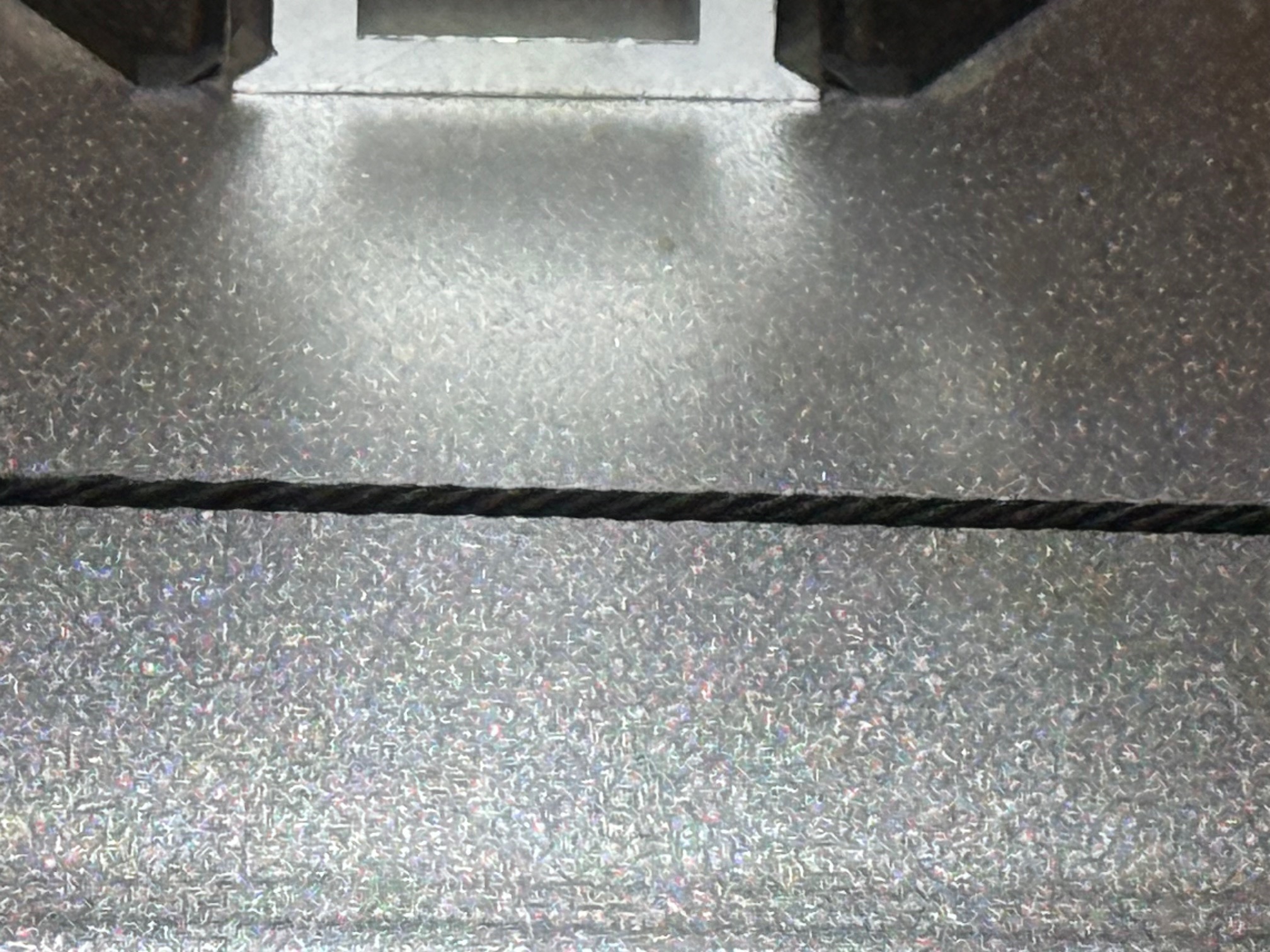
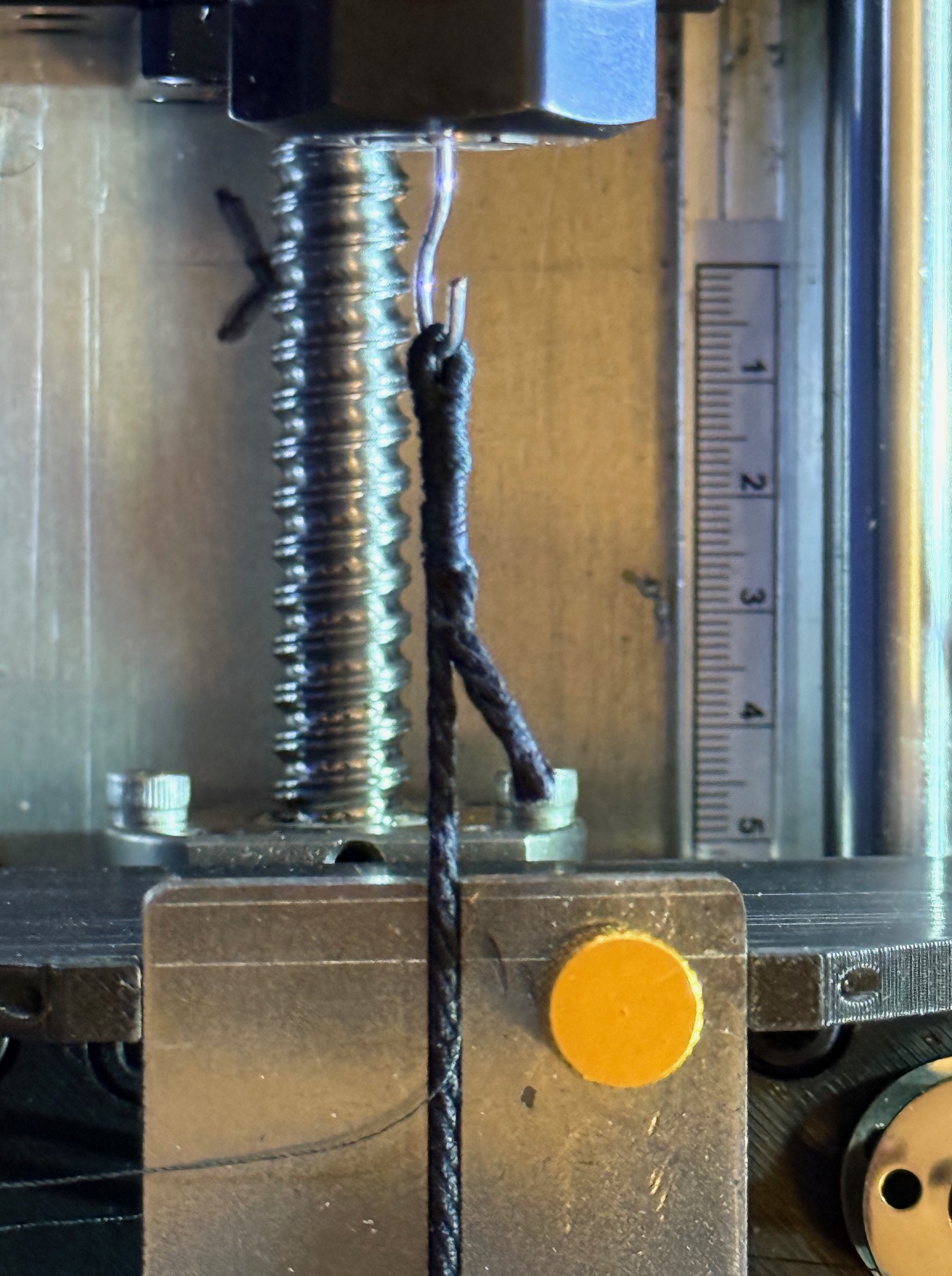
So I made some anchor cable on my home made rope run. It took several trial runs to achieve the desired size. Anchor cable is left handed Z twist. Research revealed that some anchor cable was tarred, and some was plain hemp. I chose to go with tarred (black) thread. 4 strands, left handed, 12 threads per strand. That was 48 threads times 5 meters = almost 250 meters of walking, just to set up the rope maker.
I made 4.5 meters of cable. Because that is the length of my rope run. But actually I needed only 2 lengths, each about 0.1m long, (so I have plenty left over if anyone else needs some).





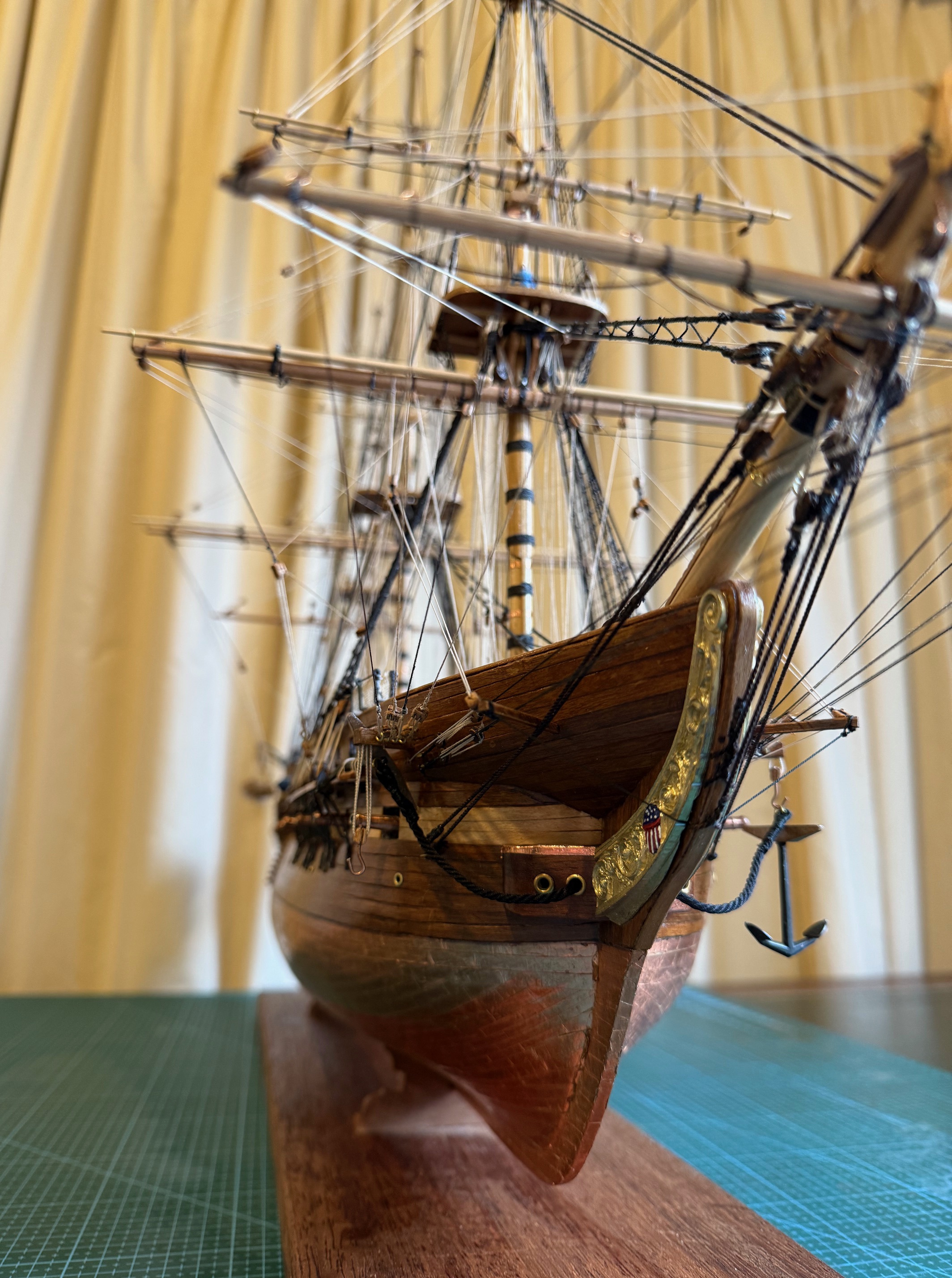
The rigging is complete.
At this time I feel that I will never try to rig another 3 master. Considering my eyesight, fumbling, shaking and impatience, it was a real trial. But thankfully it is finished. Not perfectly by any means. But it will do.
I will post some photos of the rigging, next post, soon.
p.s. Real anchor cables of the 1797-1812 era were wormed.
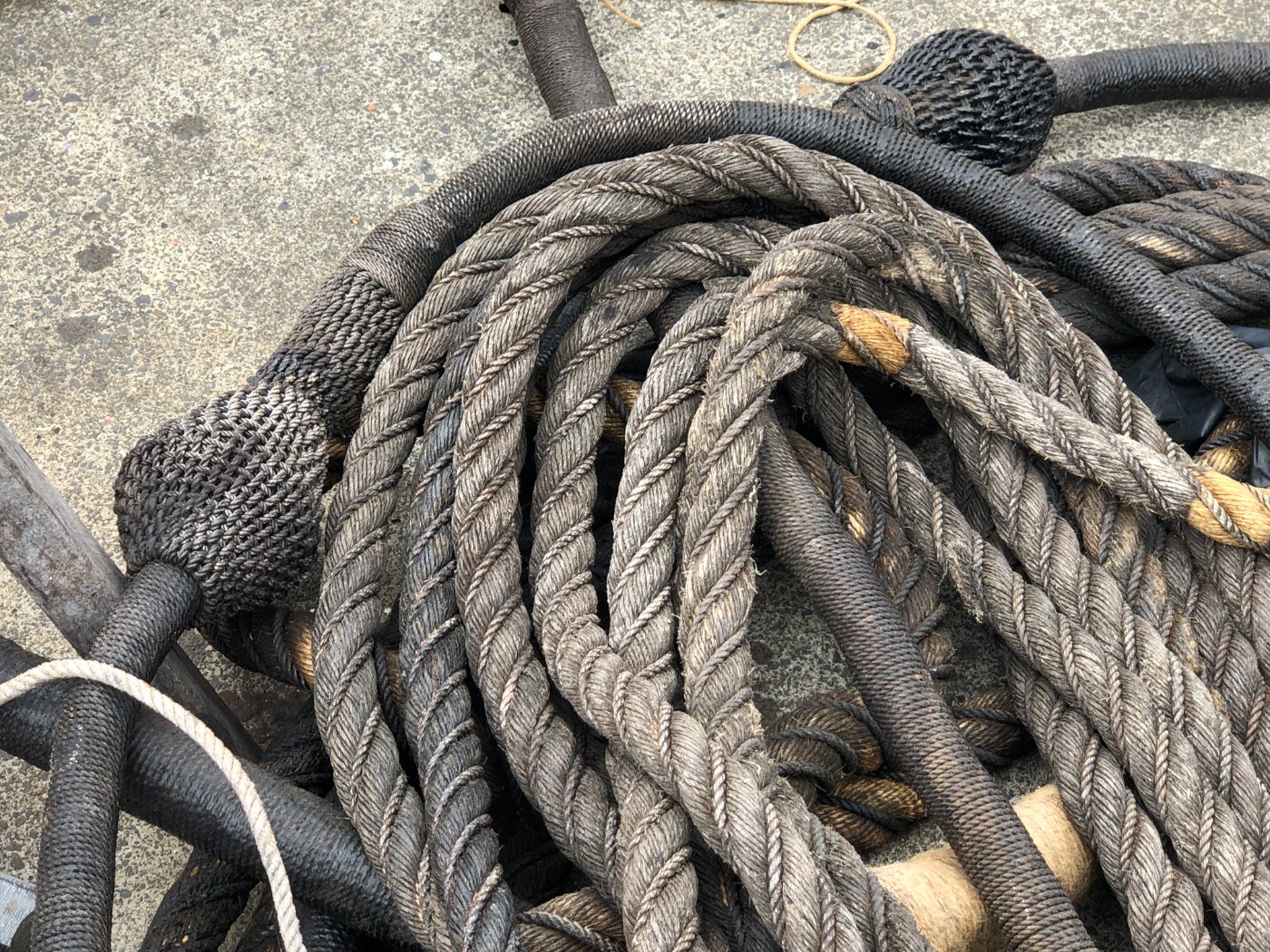
I feel a bit bad that I did not worm the model Constitution anchor cables. Not sure that I feel bad enough to redo them.
p.s. note added 7 Nov 2025. No-one has picked me up for not adding a central core thread to the cable, which full size 4 strand cables would have included. I did not use a central core thread because 1: it would not be visible and 2: at this model scale the central core is not necessary. It was included in full size cables to fill the inevitable void in the center of 4 strand cables which would otherwise have held water, shortening the cable’s life, and also allowed one of the 4 main strands to partially collapse into the centre, distorting the cable and possibly weakening it. In any future 4 strand model cables I WILL add a central core strand because now that you know about it I would be criticised, no?

*snaking, alternative term for worming.
 johnsmachines