machines which I have made, am making, or intend to make, and some other stuff. If you find this site interesting, please leave a comment. I read every comment and respond to most. n.b. There is a list of my first 800 posts in my post of 17 June 2021, titled "800 Posts"
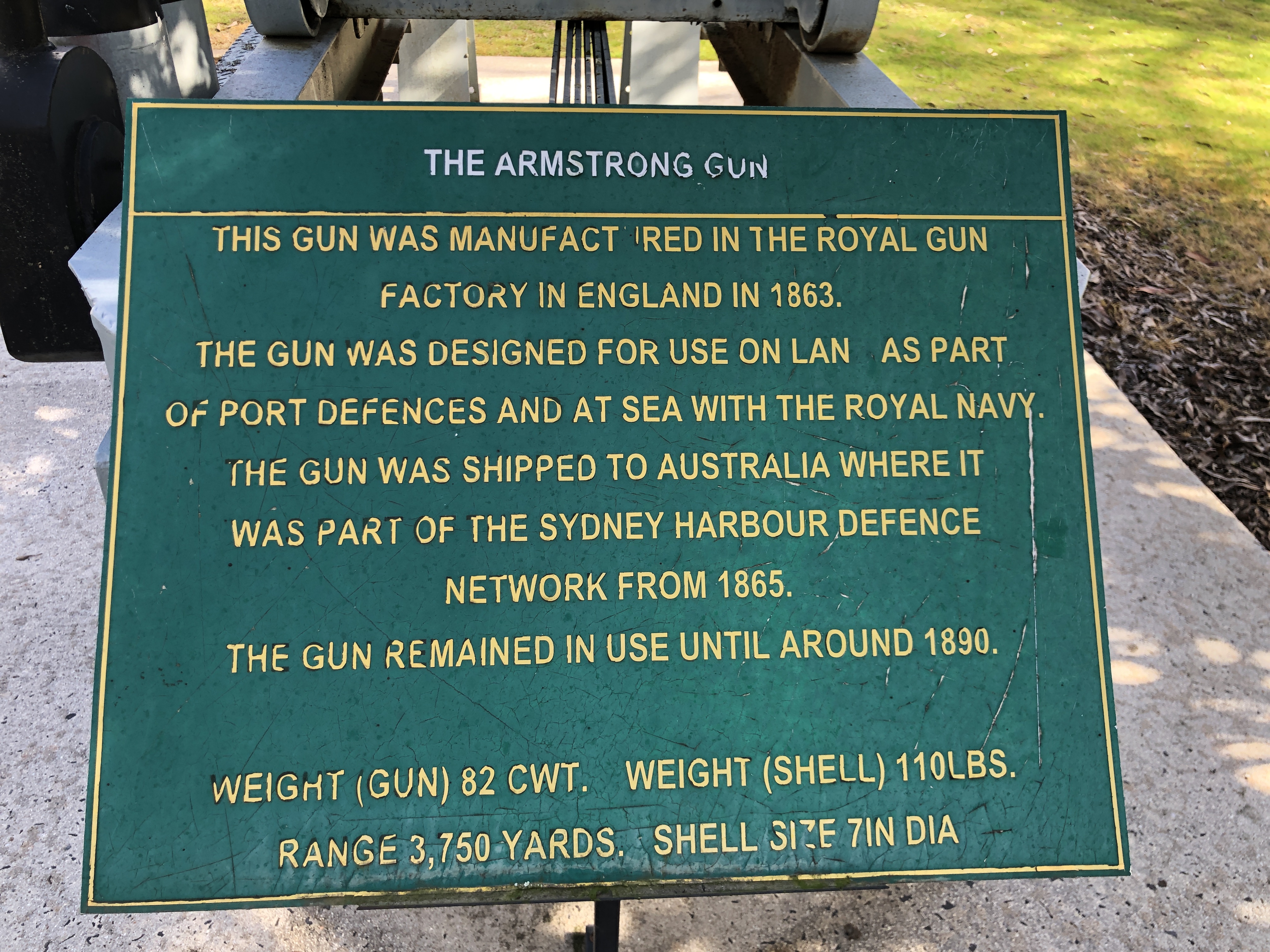
I visited this museum 11/8/23, with my wife, mainly to examine what is possibly the oldest exhibit, the 1863 Armstrong rifled breech loading cannon. See previous post. (p.s. there is a 6pr carronade, circa 1800 which is older.)
The museum is located on the Bandiana Army Base, so photo ID is required before entrance to the base. Entry was $AUD5 each. The exhibits are located in a very large, wooden framed shed, and 2 exterior yards.
Photography is unrestricted inside, but exterior shots must be directed towards the museum, or close ups. Photgraphy of the base itself is prohibited.
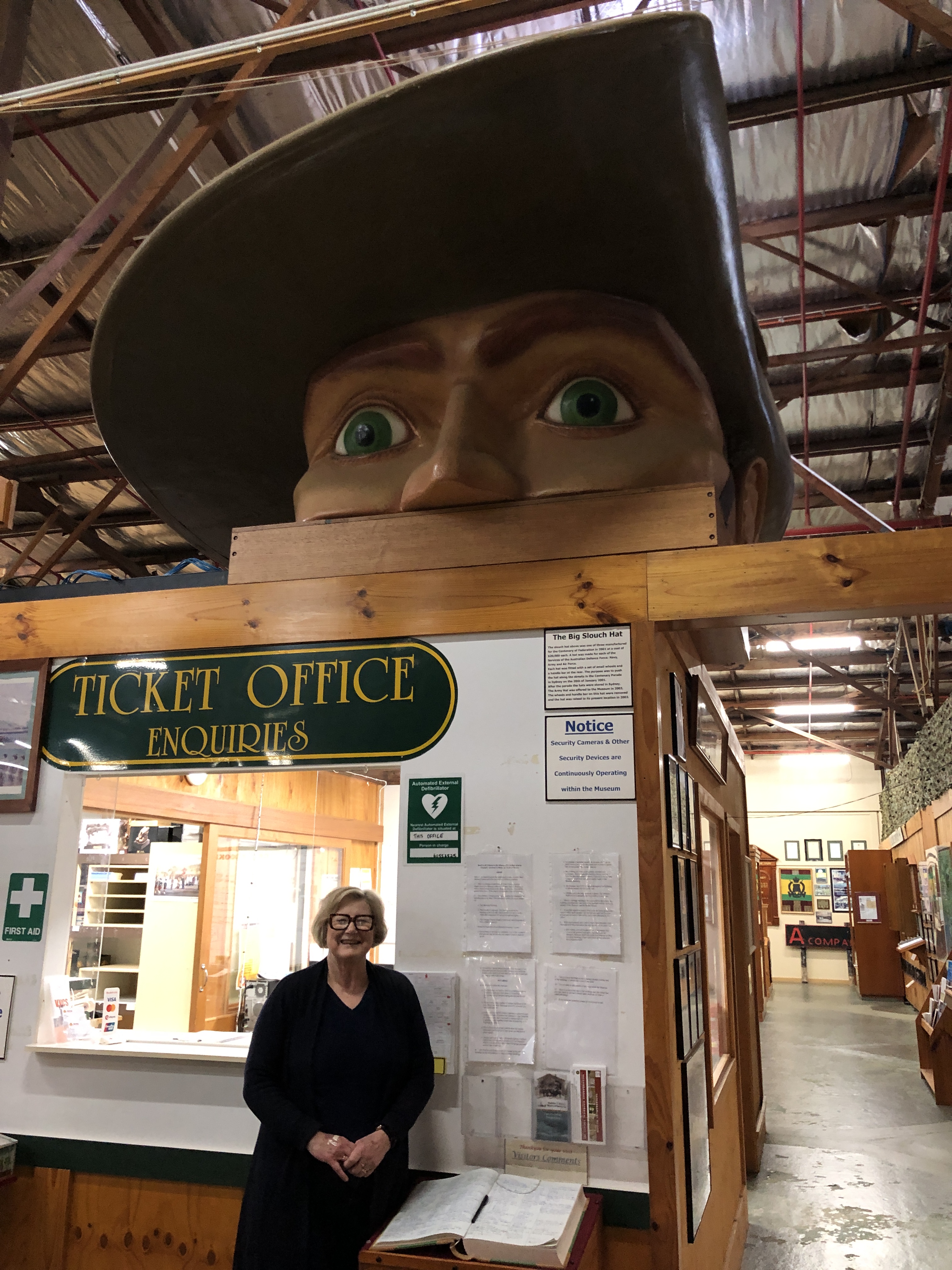
We were greeted by a friendly staff member outside the entrance, and shown inside.
The ticket office put me in mind of the Luna Park entrance.
Then we were accompanied by a staff member outside, where I examined the 1863 RBL. I had some questions for which another staff member retrieved files and read to me, regarding the Armstrong’s provenance.
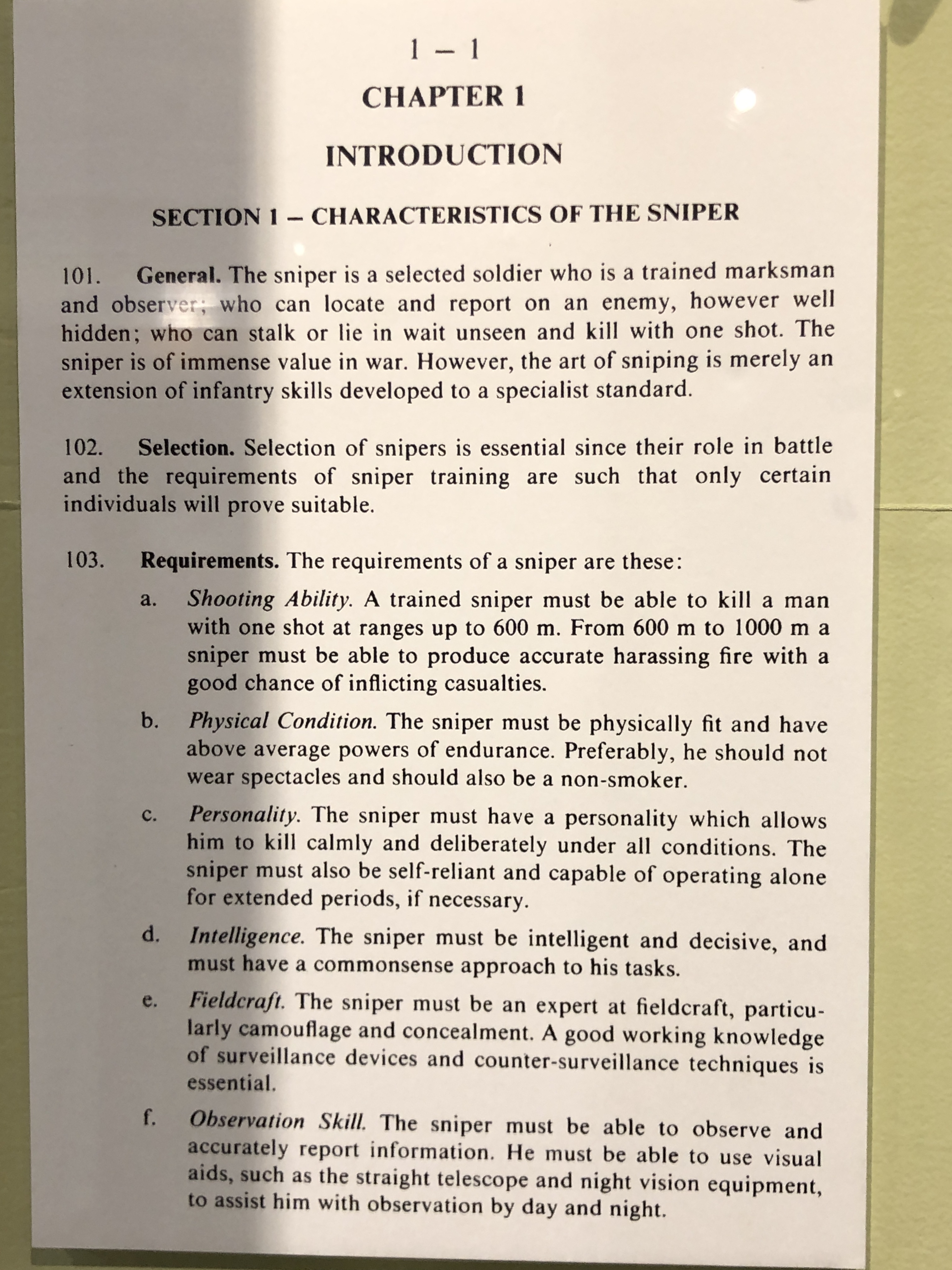
That done, we wandered at our own paces around the museum interior. There were trucks, tanks, weapons large and small, documents, captured trophies, regimental lists and uniforms from all theatres of war involving the Australian Army. Many were impressive. Some were gruesome. All were interesting. Some were very moving. I took a few photographs. In no particular order…..
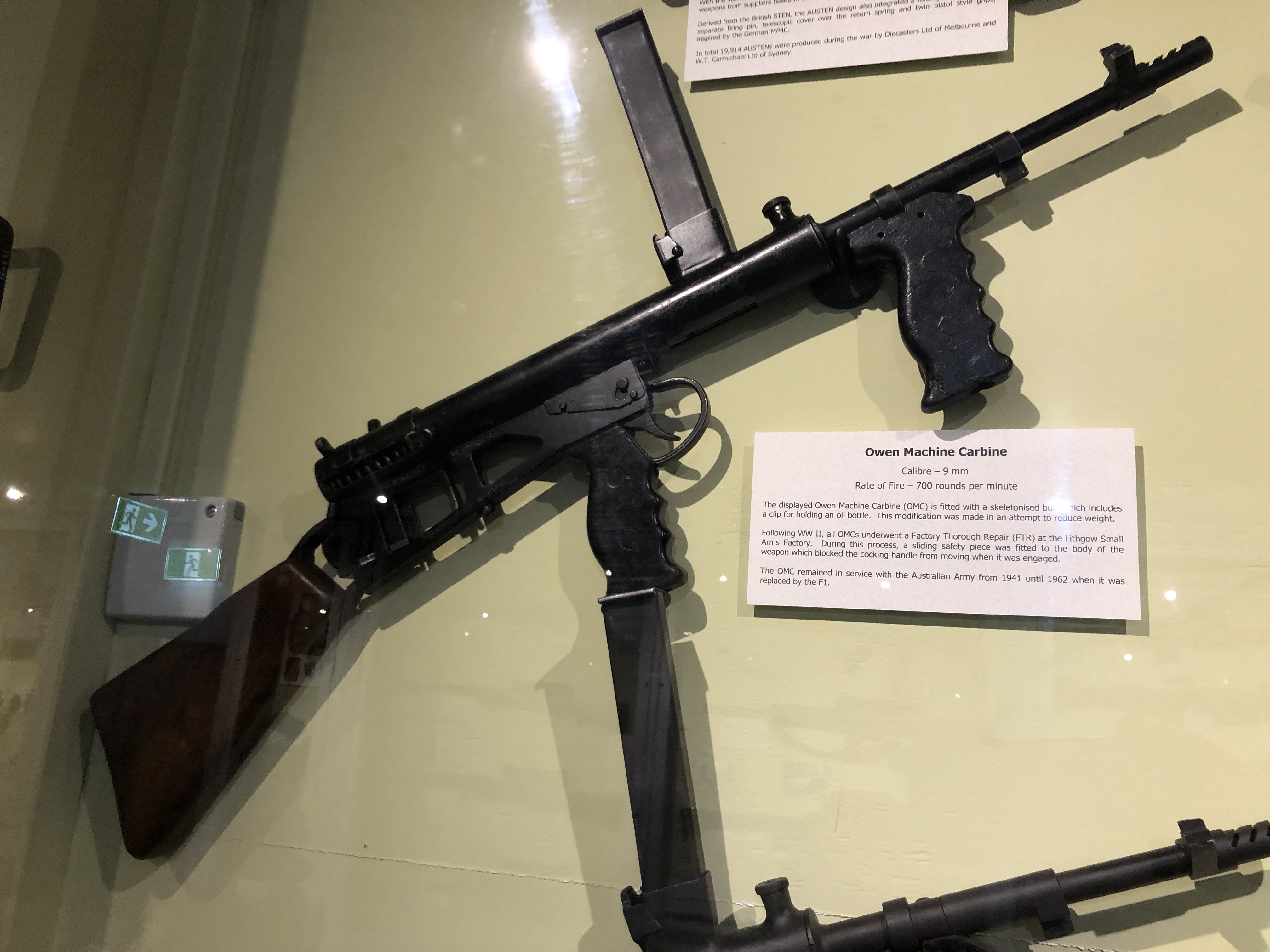
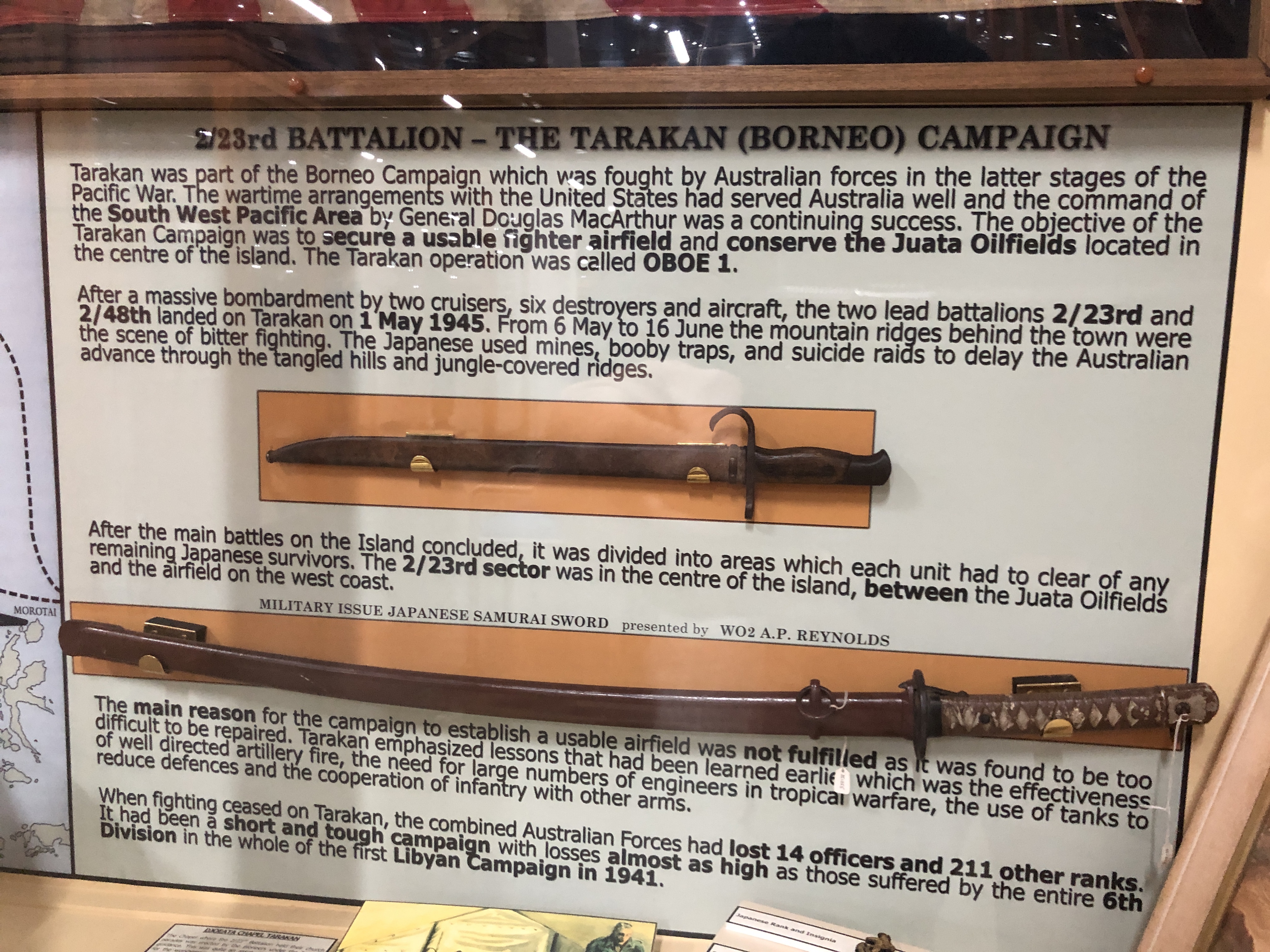
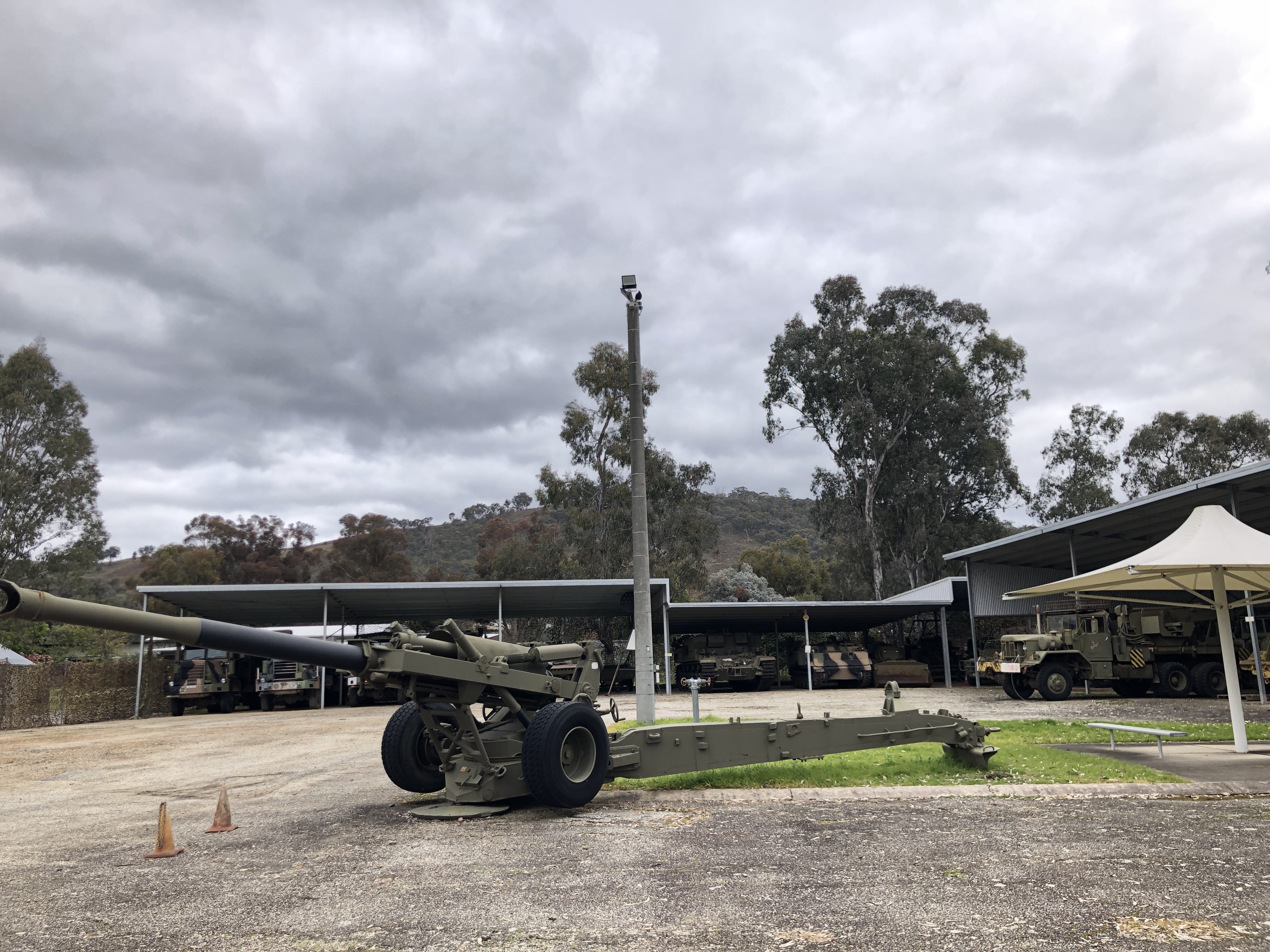
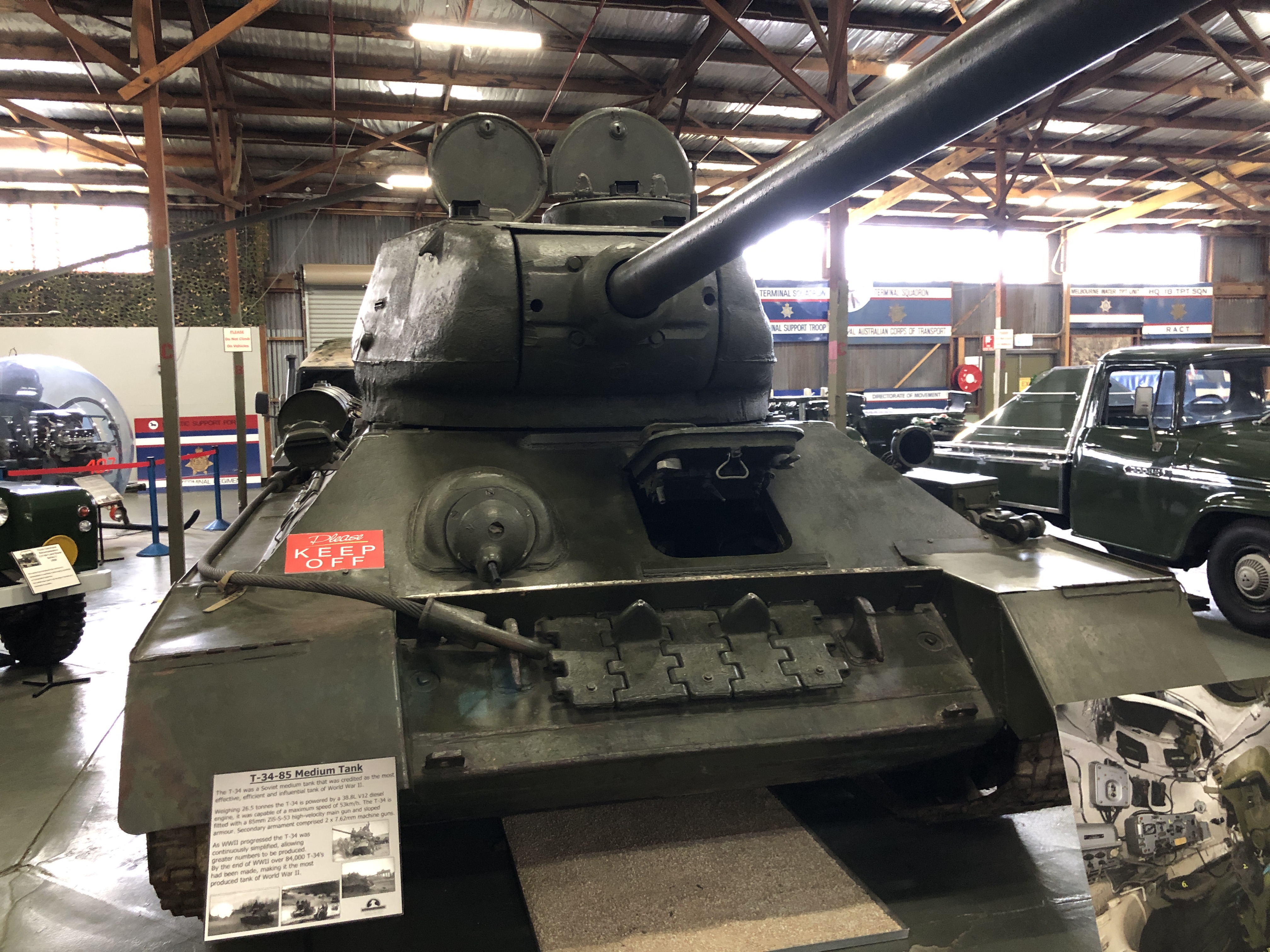
A video of the Japanese surrender at Tarakan, and one of many confiscated officer’s katanas.Lee Enfield rifles. There were many cases of rifles, machine guns, grenades, bayonets, uniforms. Australia’s own submachine gun…. the reliable Owen.M60 Machine gun. (I had to carry one of these when I was in the CMF over 50 years ago. A heavy mongrel. Fun to shoot. But terrifying to see the result at the target. A 44 gallon drum reduced to small bits.)A drip rifle. Designed to fire unattended, after a prolonged interval, having been set up by a departing soldier from Gallipoli, to mislead the Turks about the evacuation.I was once told by a military person that wounding is preferable to killing, because a wounded soldier removes others from the battle-field to carry the wounded and provide care. A reminder that war is a nasty business.Captured at TarakanCaptured in North Africa.Australia’s largest army museum, in a wood framed shed. The staff were a bit apologetic about the shed, but I thought that it was interesting. Reminded me of the Murtoa Stick Shed.WW1 truck. Solid tyres. Side valve engine.WW2 and later, Studebaker 10 wheel drive truck. Crash gear box. Top speed in lowest gear was 2 mph. But it was almost unstoppable in the roughest conditions. I was in a CMF transport company, and we drove these cold, noisy, impressive vehicles. Now of historic interest only, although this one is still registered.150mm artillery. 40km range.Heavy recovery vehicle.Arguably the most important military hardware of WW2. The Russian T34 tank. 84,000 were built.… and they were not bothered about fettling the castings!Arguably the least impressive WW2 tank. The British Matilda.
We were there 2 hours. That was SWMBO’s limit. A quick look around. The highlights for me were the Armstrong cannon, the Studebaker truck, and the T34. But there were so many items of interest. I would like to go again someday.
I must particularly commend the staff, who were all exceptionally friendly and helpful.
This is the model which I made of the 1861 Armstrong rifled breech loading cannon. It was made from drawings obtained from several 19th century books, internet photos, and a detailed Fusion 360 drawing purchased from ETSY. It is mounted on a “garrison” (land based) carriage and slide.
As you can see, it is very detailed, down to the square nuts and bolts, Smith’s elevating screw, and Queen Victoria’s cypher. But there was one detail which I had not been able to find anywhere. And that was whether or not there was any information stamped or engraved onto the muzzle of the barrel, like on the 80 pr RML which I modelled several years ago.
The model 80pr muzzle loader.Not a good photo, unfortunately. Very magnified. The text reads “Marshall’s Iron” and refers to the innermost cylinder which was made of a higher grade of iron than the outer layers, and could even be removed and replaced if worn out. This tiny detail was lasered onto the model 80pr bore by Stuart T, and if I could confirm that there was a similar inscription on the 110pr, would have asked him to do likewise again.
I had never actually seen an original of a 110pr RBL, so was quite excited when I read that one existed 400km away, at Wodonga, Victoria. So off we drove (SWMBO and I), after contacting the Australian Army Museum at Bandiana, Wodonga and obtaining permission to take some photographs.
The museum itself will be the subject of a separate post. Suffice it to say here that it was excellent!
The 1863 Rifled Breech Loader, black powder naval cannon was a different story.
Me, feeling a bit disappointed, but not too surprised. The carriage has the shape of a naval mounting, and there is a cap on the trunnion which would not have been fitted to a garrison (land based) gun. The carriage has signs of torch cutting and arc welding. The traversing platform could be an original naval version. All bronze fittings and many iron ones are missing.Breech block in situ. I am pretty sure that this is a modern reproduction. The handles are not hinged, and arc welding was not used in 1863. And there is no flash pan/vent. There is a statement that all weapons in the museum have been rendered incapable of being fired.This breech block is welded to the slide, probably to prevent a careless tourist from dropping 136lbs onto his foot. Pretty sure that the projectiles are reproductions too.I did not bother with a photo of the muzzle. The gun has so much thick paint that all markings are hidden, even the big ones on the trunnions. Oh well. The museum itself was great. And the 800km drive was lovely.













 johnsmachines