johnsmachines

machines which I have made, am making, or intend to make, and some other stuff. If you find this site interesting, please leave a comment. I read every comment and respond to most. n.b. There is a list of my first 800 posts in my post of 17 June 2021, titled "800 Posts"

Tag: model engineering

MODEL ENGINEERING EXHIBITION at BENDIGO, VICTORIA, AUSTRALIA

Bendigo is a beautiful city in the middle of Victoria, with a rich history, literally!

The city is in the “golden triangle” of Victoria, named for the huge quantities of gold which were mined from the area in the second half of the nineteenth century.

With that mining-engineering background, it is not too surprising that Bendigo has an enthusiastic and active metalworking, engineering, modelling club, and every two years they host an exhibition, which I attended for the first time last weekend.  And what a terrific event it was.   Well worth the 3 hours each way drive.

Following are some photos of a few of the hundreds of exhibits.  Please forgive me if I don’t remember some of the names and details.  The standard of the work varied from excellent to absolutely bloody unbelievable.

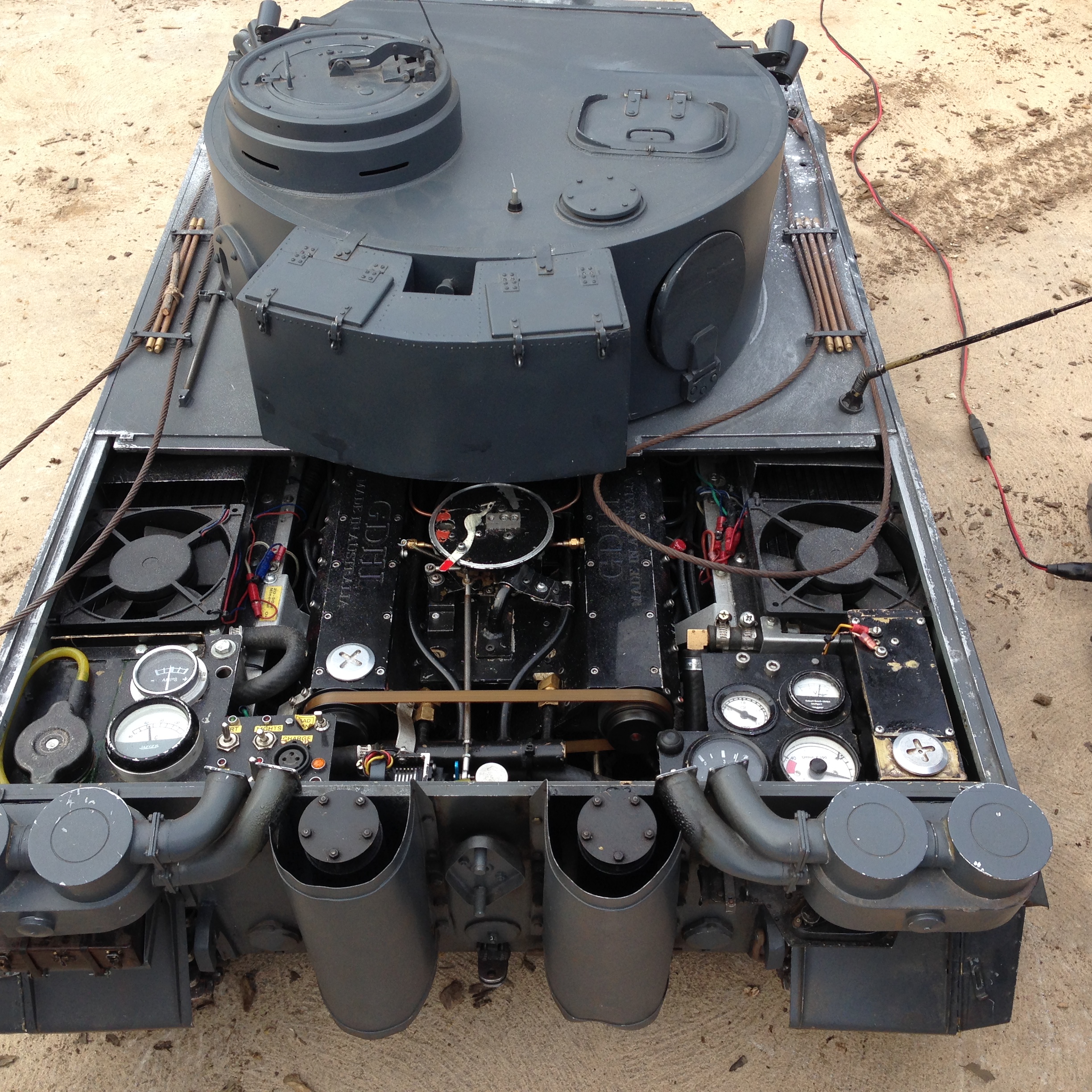
Welcoming visitors at the entrance, was Gerard Dean, with his 1/5 scale Tiger tank, powered by a V12 150cc engine.  Belching smoke, and overcoming any obstacles and visitors in its way.  There are a few of these models around the world, but very very few have a 12 cylinder gasoline engine which looks and sounds the part.  Gerard has taken his model to many countries, including the USA.  He does occasionally strike a hitch at customs, and usually has to prove that it will not fire real ammunition. The country which gave him the hardest time getting it over the border??  You guessed it…   Germany.

IMG_2904

The Germans were a bit upset that the engine valve covers are stamped “Made in Australia”.

IMG_2902 IMG_2903

IMG_2914

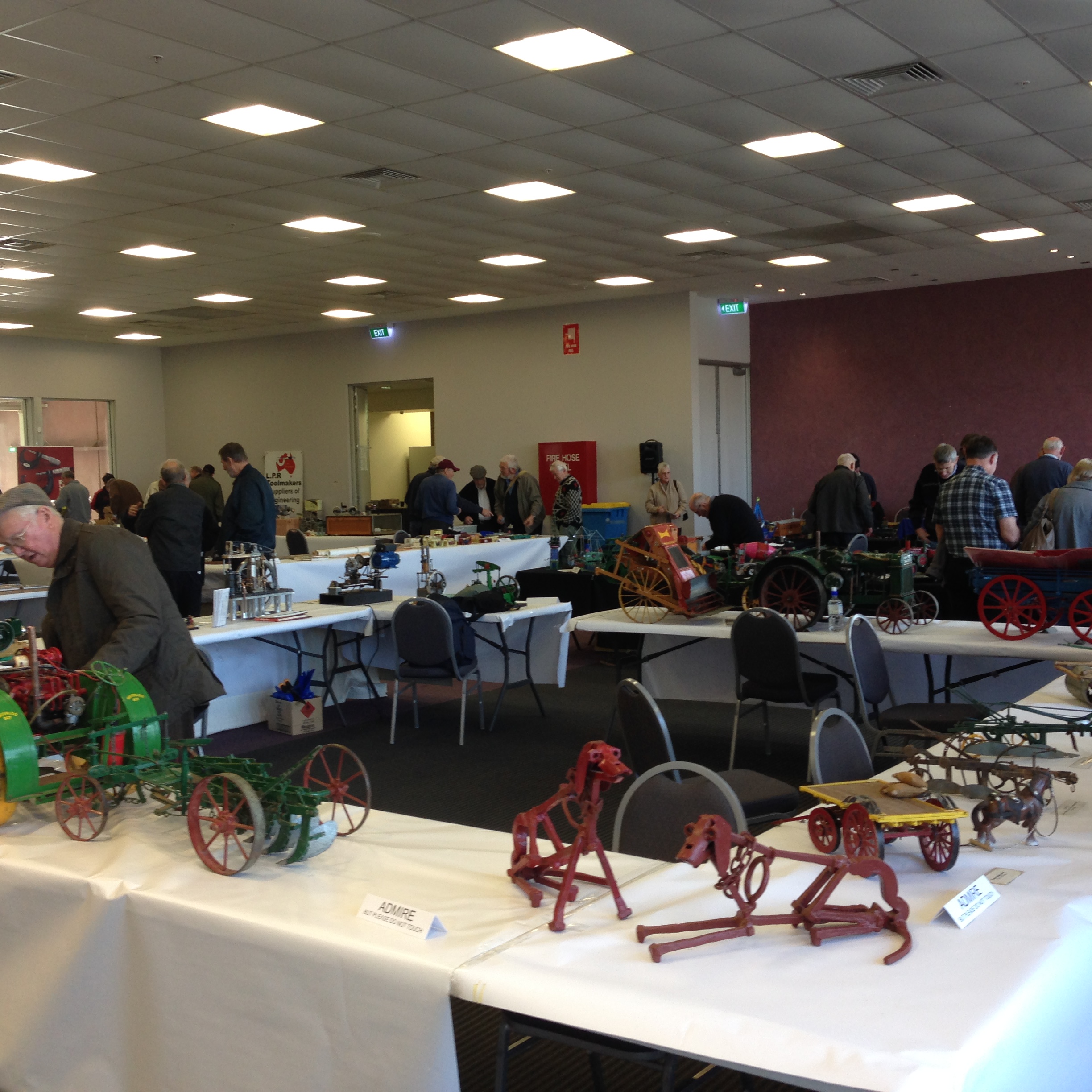
Inside, there were 2 large rooms,  with models, tools, books, kindred spirits who were delighted to have a chat.

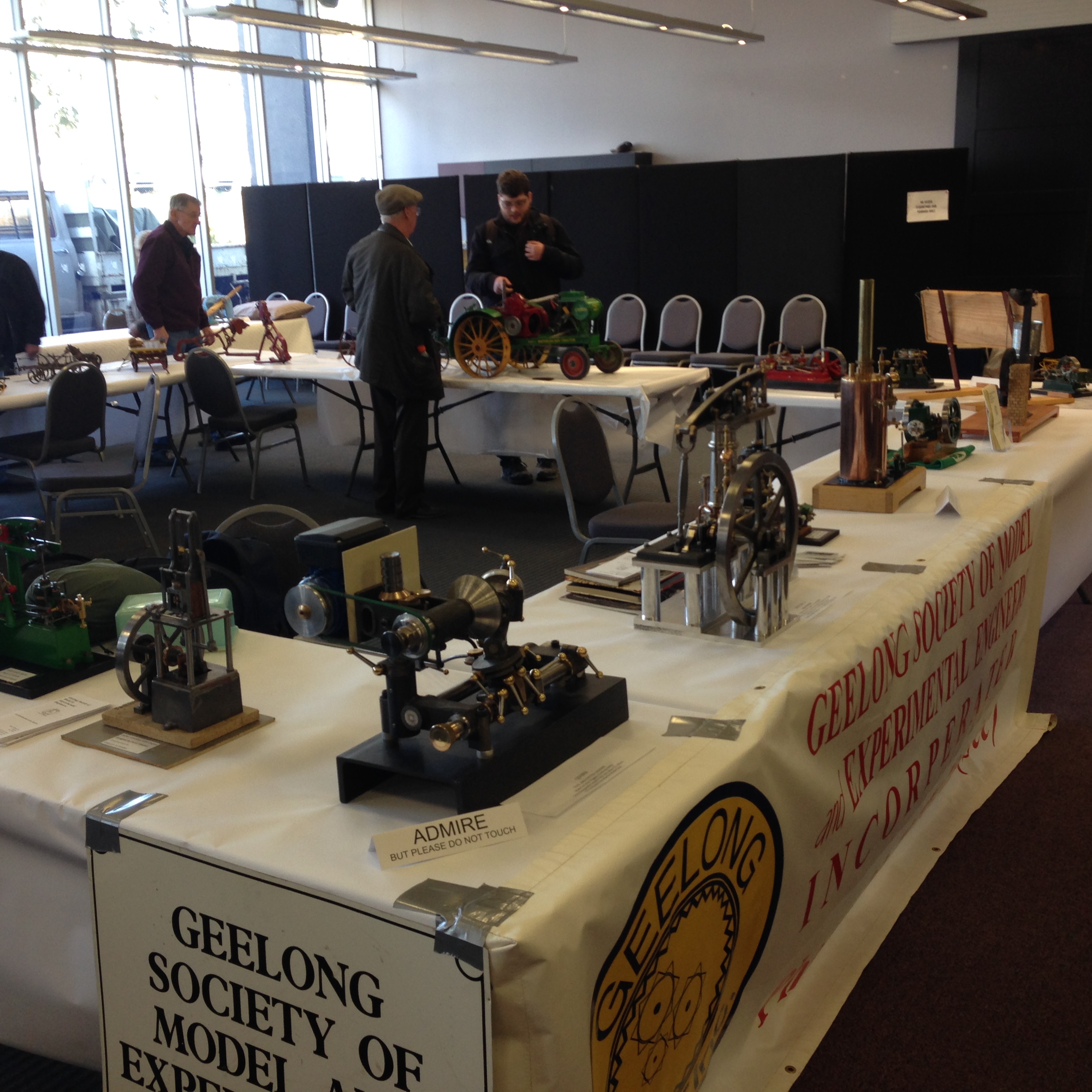
Inside, there were 2 large rooms, with models, tools, books, kindred spirits who were delighted to have a chat.  I recognise the beam engine and quorn T&C grinder in the foreground.

Eccentric Engineering had a display of his Diamond Tool holder, but I have already bought 6-7 of these in different sizes.  I did top up my stock of Crobalt cutters.

Eccentric Engineering had a display of his Diamond Tool holder, but I have already bought 6-7 of these in different sizes. I did top up my stock of Crobalt cutters.
IMG_2911

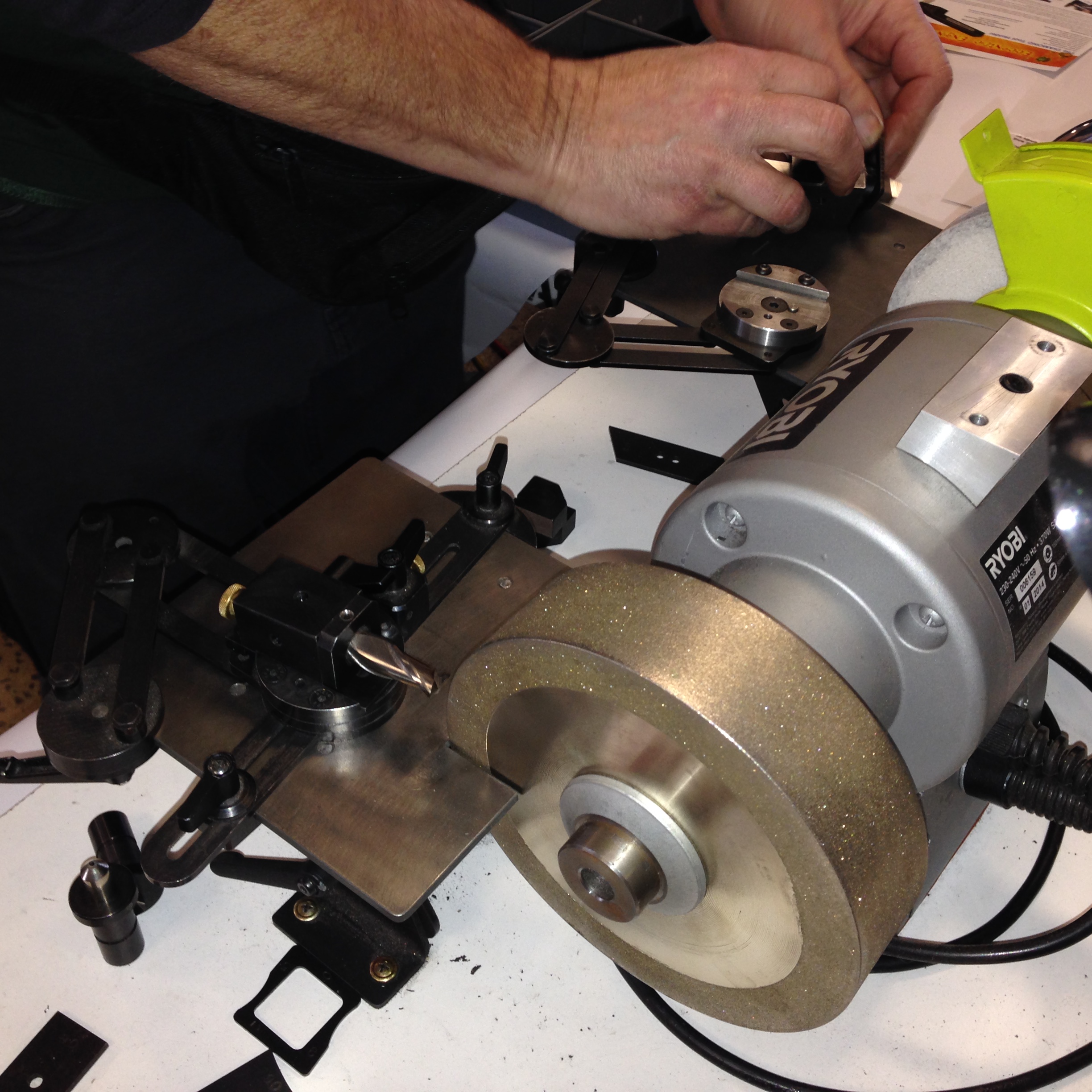
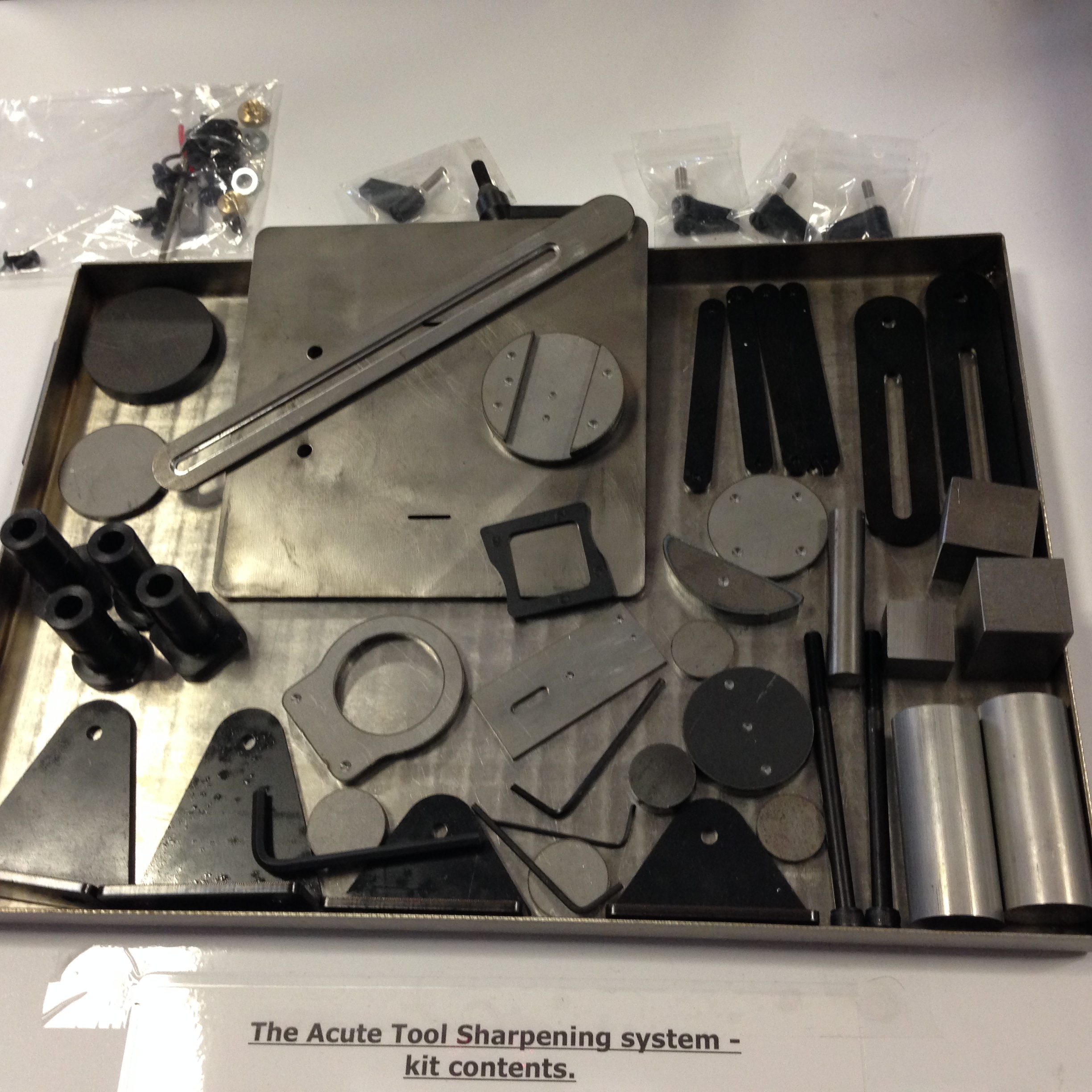
Eccentric Engineering was showing his Acute Tool Sharpening System. I was very tempted to buy his kit of parts, but was fearful of my reception from SWMBO, if I returned with yet another tool and cutter grinder.

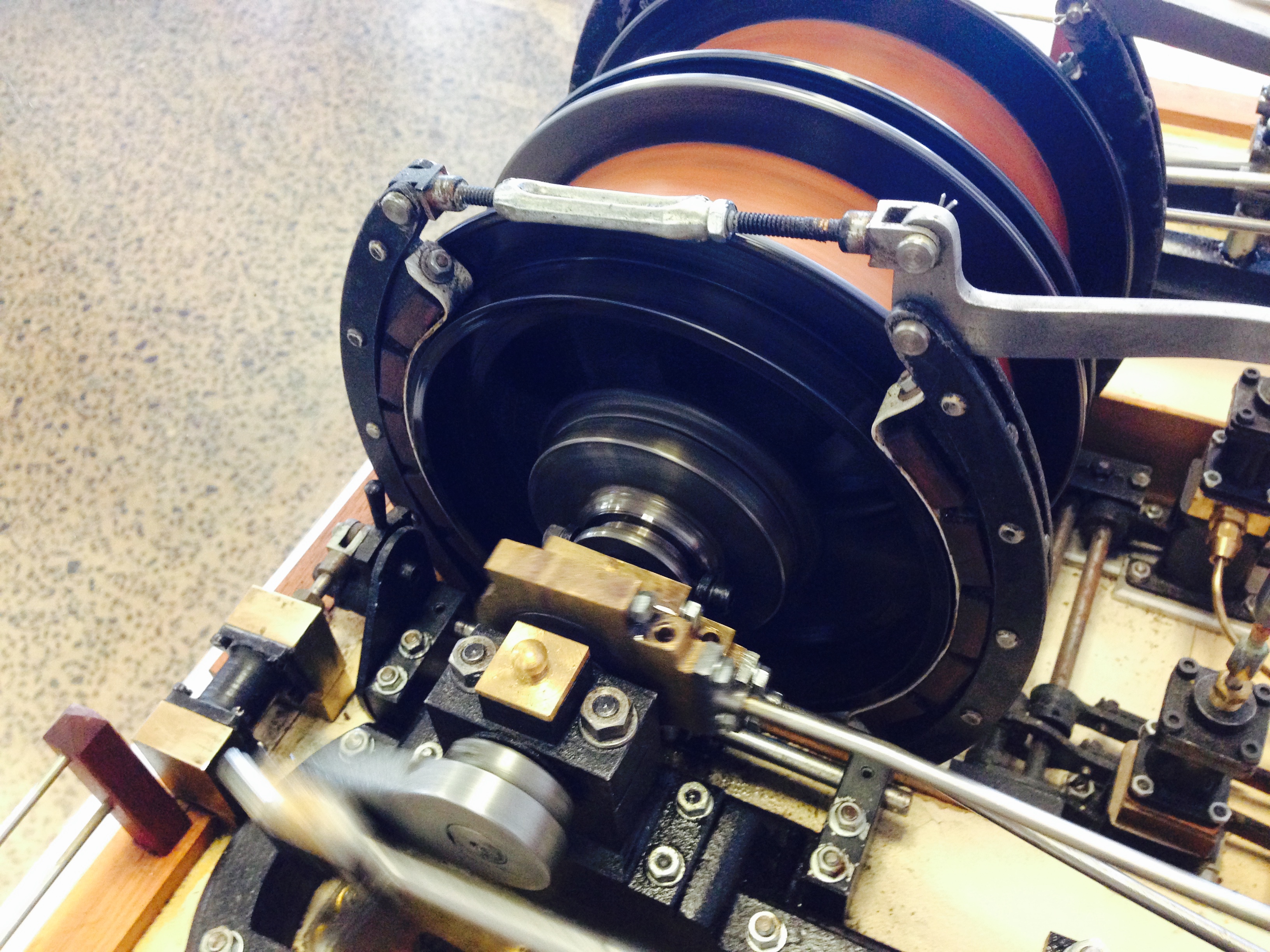
A very impressive Atkinson engine.   it was running earlier.  Les are you there?
A very impressive Atkinson engine. it was running earlier. Les are you there?

The Eccentric T&C cutter grinder kit.

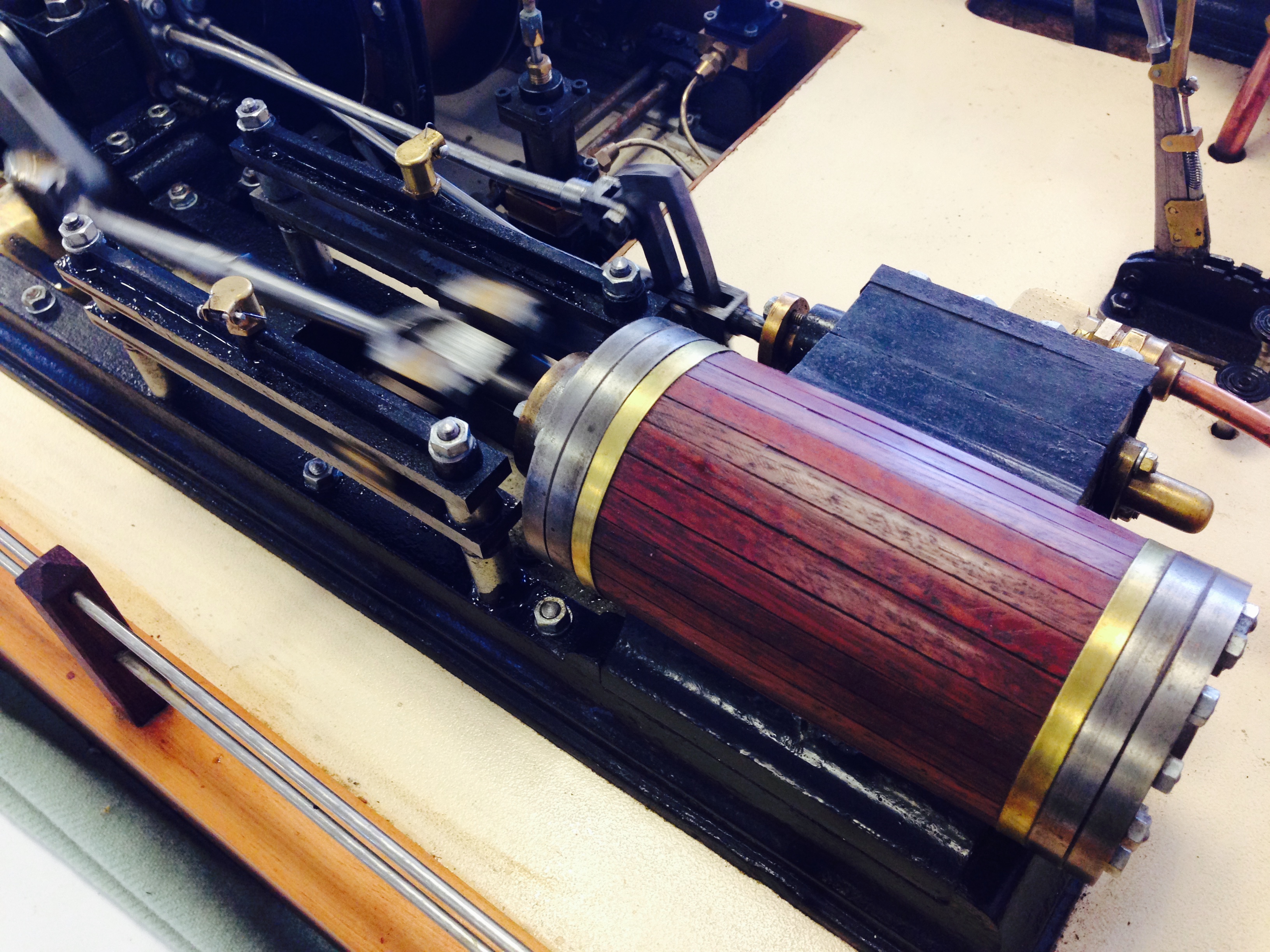
Of the many outstanding models, this one was superb.  Not totally finished.  But totally appropriate for Bendigo. Of the many superb models on display, this one was outstanding. And totally appropriate for Bendigo, given its mining heritage.

IMG_2925

Pictured with the maker. The twin double acting steam engines were running on compressed air for the exhibition. Will look great running on steam!

IMG_2921 IMG_2922 IMG_2923 IMG_2924

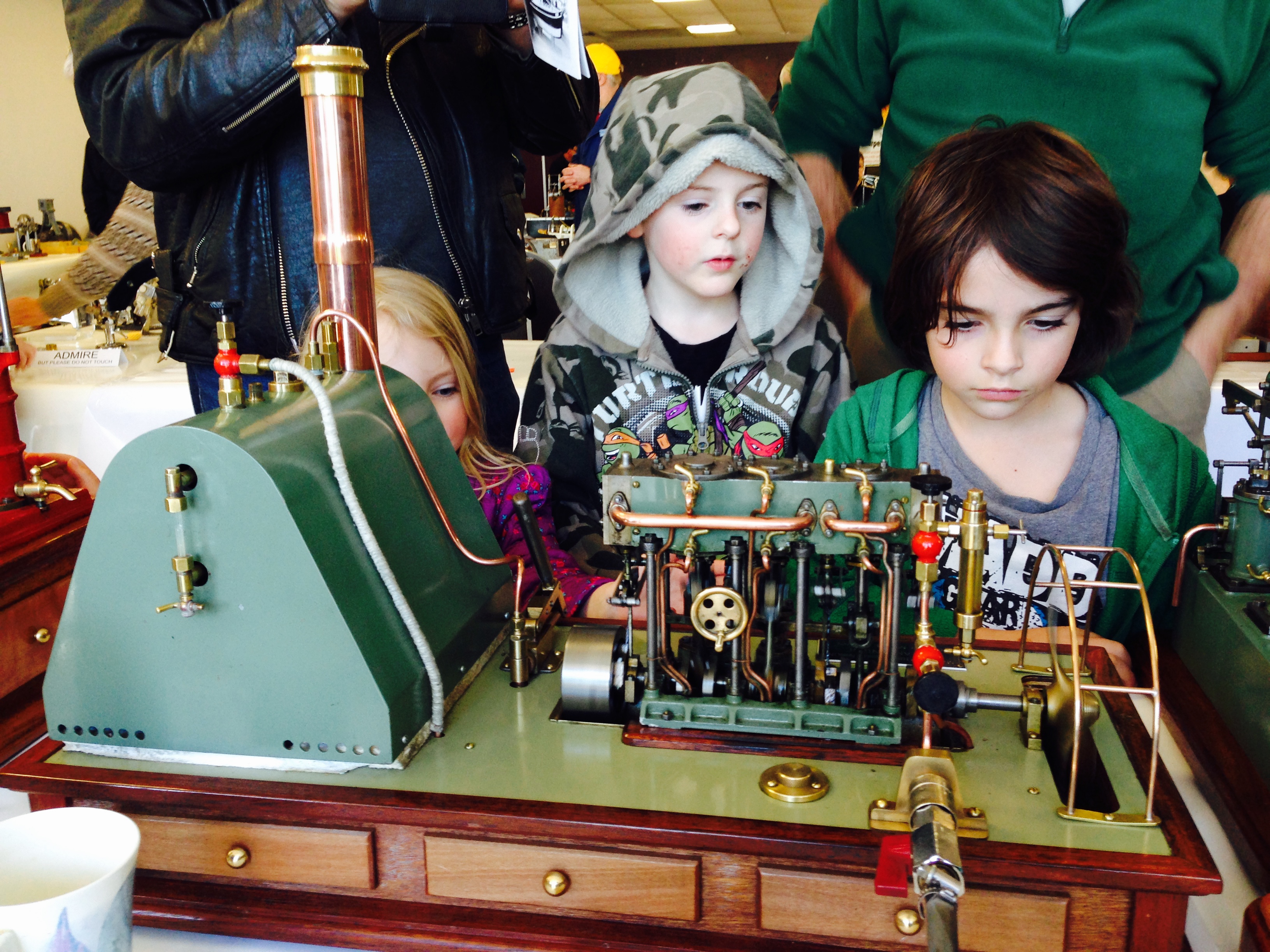
Some future model engineers, viewing a very nice, running, triple expansion steam engine.
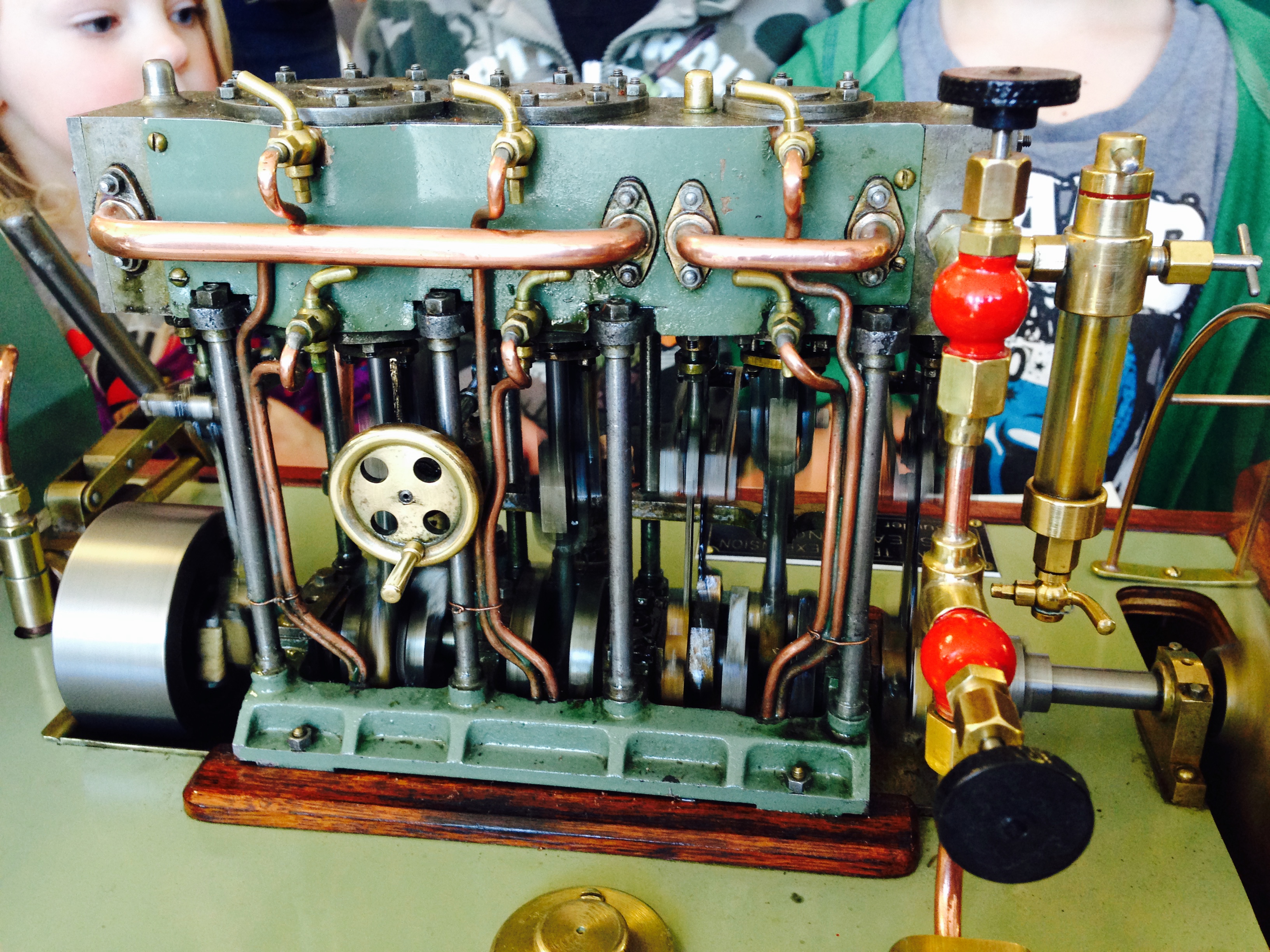
Some future model engineers, viewing a very nice, running, triple expansion steam engine.
IMG_2931 IMG_2932

A beautifully finished Bolton 12 beam engine

A beautifully finished Bolton 12 beam engine.  Makes mine look a bit drab.

10 cylinder radial aero engine, made from stainless steel.

10 cylinder radial aero engine, made from stainless steel by Bob Bryant.  Hmm, maybe a 9 cylinder.


I particularly likes this working Meccano model of an excavator.  The digging action was particularly realistic.

I particularly likes this working Meccano model of an excavator. The digging action was particularly realistic.

Another beam engine, this one made using Meccano.  Takes me back 55 years!

Another beam engine, this one made using Meccano. Takes me back 55 years!

IMG_2927

A particularly beautifully finished oscillating engine, totally made from bar stock.

IMG_2928

Cylinder Bases. Lathe or milling machine?

I read an expert treatise on making a double expansion steam engine, and I imagine that the comments applies to triples also.  One aspect emphasised the importance of accuracy in making the cylinder bases.  The parallelism of the surfaces, the concentricity of the piston rod hole and the other circular elements, and the thickness. The usual method for making these items is to turn them in a lathe with a 4 jaw chuck, then to reverse the item in the 4 jaw to turn the other face.  It is possible, but very fiddly and time consuming, and relies on expertise, patience, good eyesight, and a good lathe.   All of which are in short supply around here. A triple expansion steam engine requires 3 of these base plates, and while there are some common dimensions, the cylinder bores are all different.  Many of the screw holes are common to the 3 plates.  The thicknesses are all the same. To shorten this rather boring epistle, I decided to have a go at making the base plates on the CNC mill.  Given my previous muck ups, broken bits, crashes, this was a courageous decision, as evidenced by having to bin the first effort.  But the next 3 all seemed to work OK. First I studied the plans and noted the common elements, then I made a jig, with holes drilled at the common positions.

IMG_2543

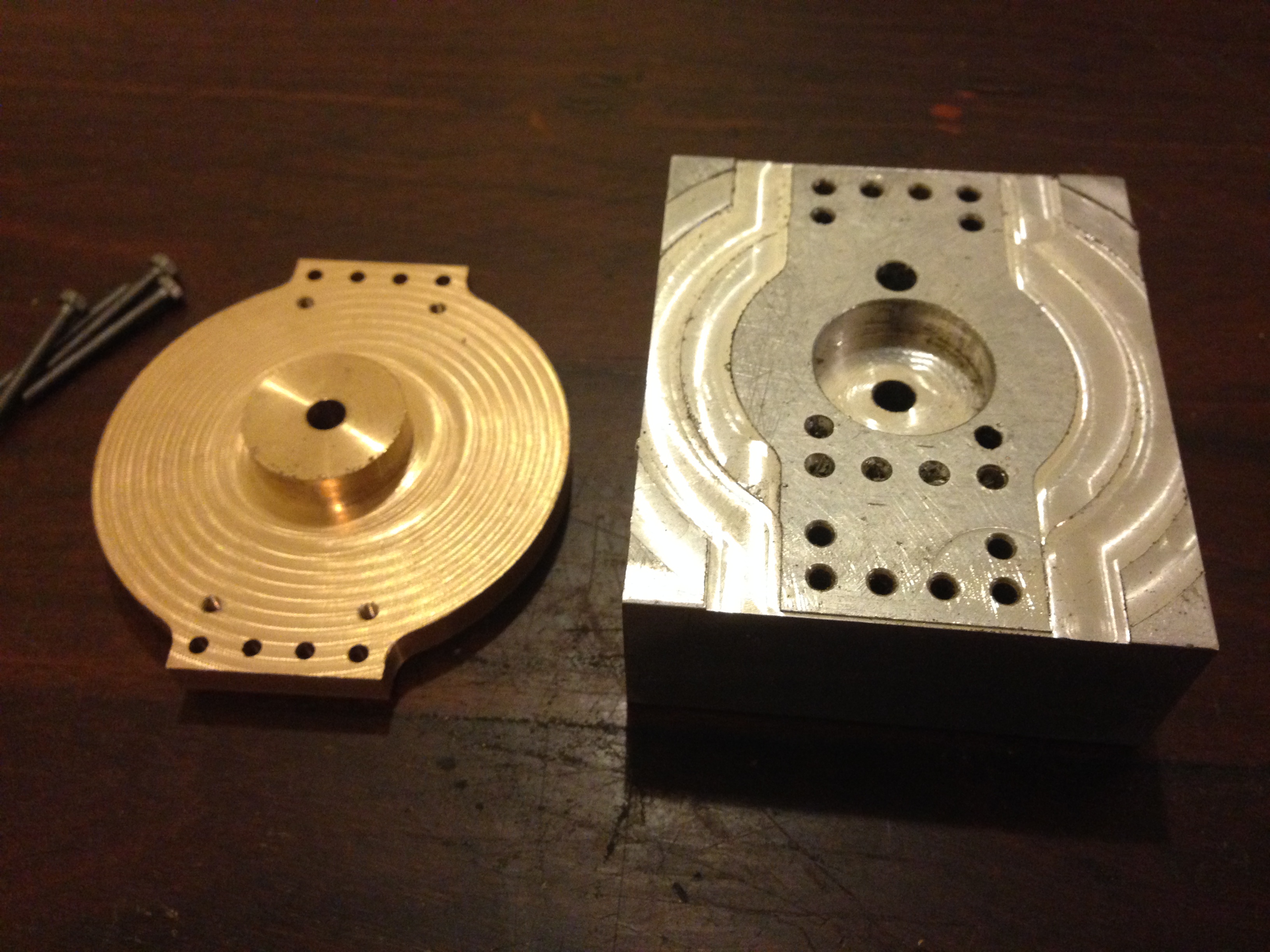
The underside of the jig, showing the 5mm centre hole and the counterbored holes at the attachment points.

IMG_2544

The topside of the jig, after the first and second baseplates were drilled, thicknessed and shaped. The jig needed to be made very accurately, to retain position of the workpiece after it was reversed, so both faces could be milled. I am told that CNCers build up a collection of jigs over time. They are rarely used again.

IMG_2531

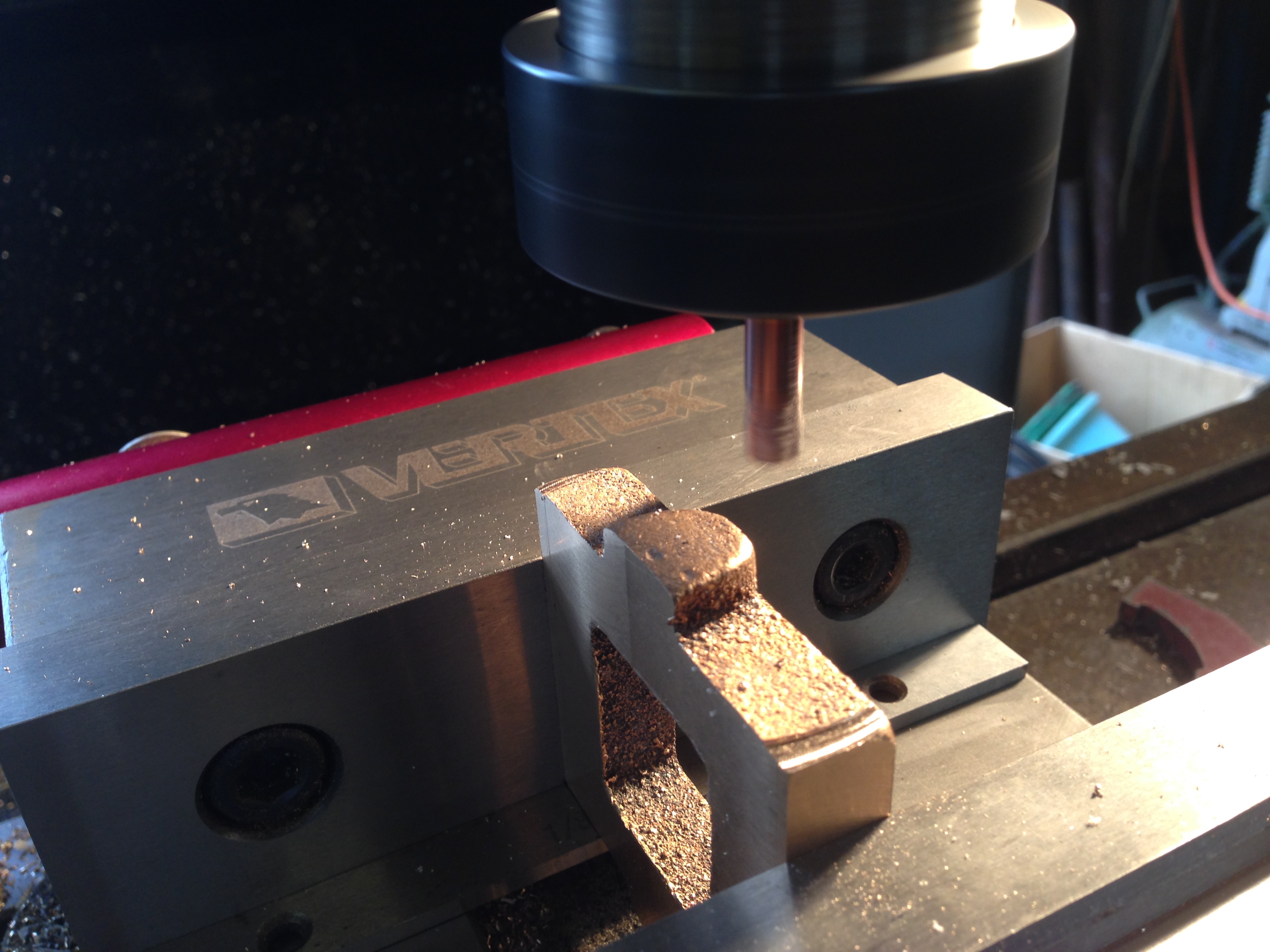
CNC milling the central boss. 20.48mm diameter, and accurate. Note the red positioning device, enabling the workpiece to be removed to check measurements, then replaced exactly in the same position.

To see a video of the CNC mill cutting the external profile click on the link below http://youtu.be/m0d5yuX96Uc

IMG_2541

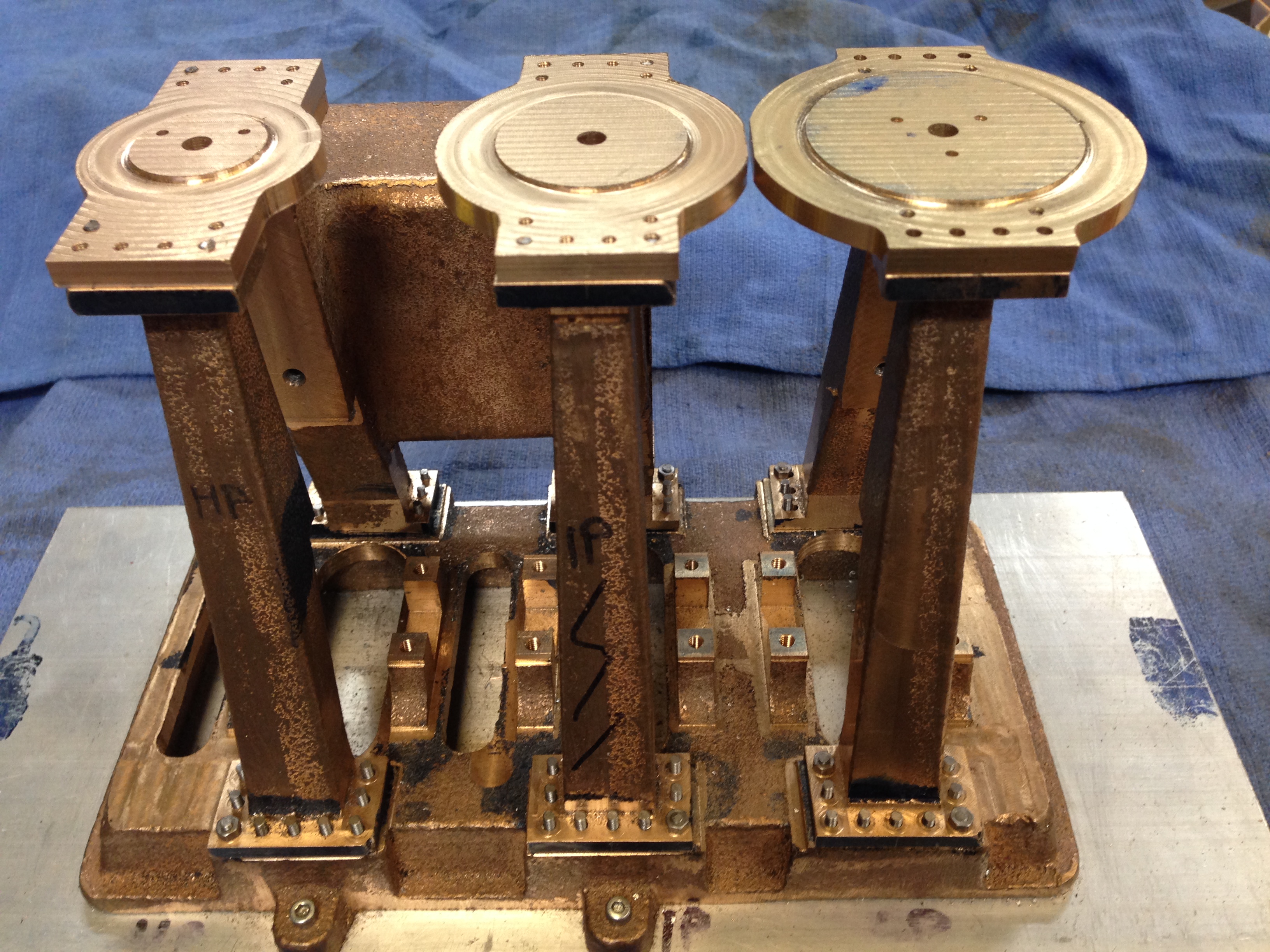
The cylinder baseplates screwed to the columns. Some trimming of the column tops is required. The baseplates are centered accurately, as far as I can measure. Note that the central jig separating the columns has been removed, and the baseplates are now holding the column tops in position. The columns appear to be lining up correctly.

IMG_2538

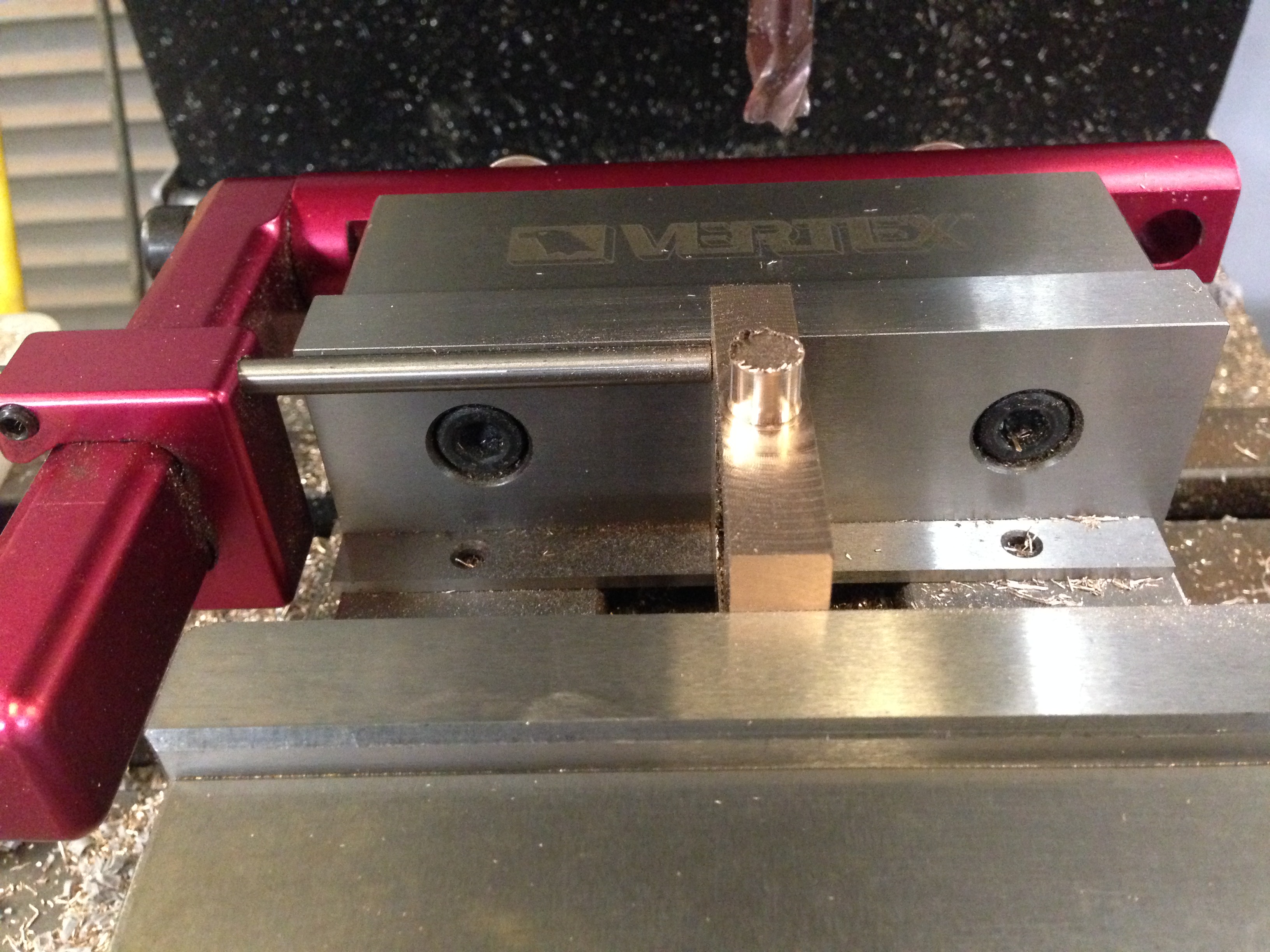
The next example of using the CNC mill to perform a task which is normally done on the lathe. The mill cutter is travelling in diminishing circles, producing a central boss, and a flat surface.

IMG_2540

The boss finished to size (10mm dia) and flat surface.

BTW.  In a previous post I mentioned a 1 mm inaccuracy in a CNC milled part.  It happened again when I milled the first base plate, which ended up exactly 2mm smaller than programmed, and had to be re-made.  This time I discovered the cause of the inaccuracy….   I had used an 8mm milling cutter, but had forgotten to tell the CNC computer that I had changed from using the 6mm cutter.  The CNC machine did not notice the change, and cut the part exactly as instructed, very accurately, 2mm smaller than intended.  CNC machines are incredibly clever, but very very dumb.  They do exactly as instructed, even if the instruction is wrong.