machines which I have made, am making, or intend to make, and some other stuff. If you find this site interesting, please leave a comment. I read every comment and respond to most. n.b. There is a list of my first 800 posts in my post of 17 June 2021, titled "800 Posts"
Old Photos of Armstrong RML’s
by John
When visiting the Armstrong 80pd RML’s recently at Port Fairy, Portland and Warrnambool, I made sure to take photographs of any old photos which were on display. Some were very interesting.
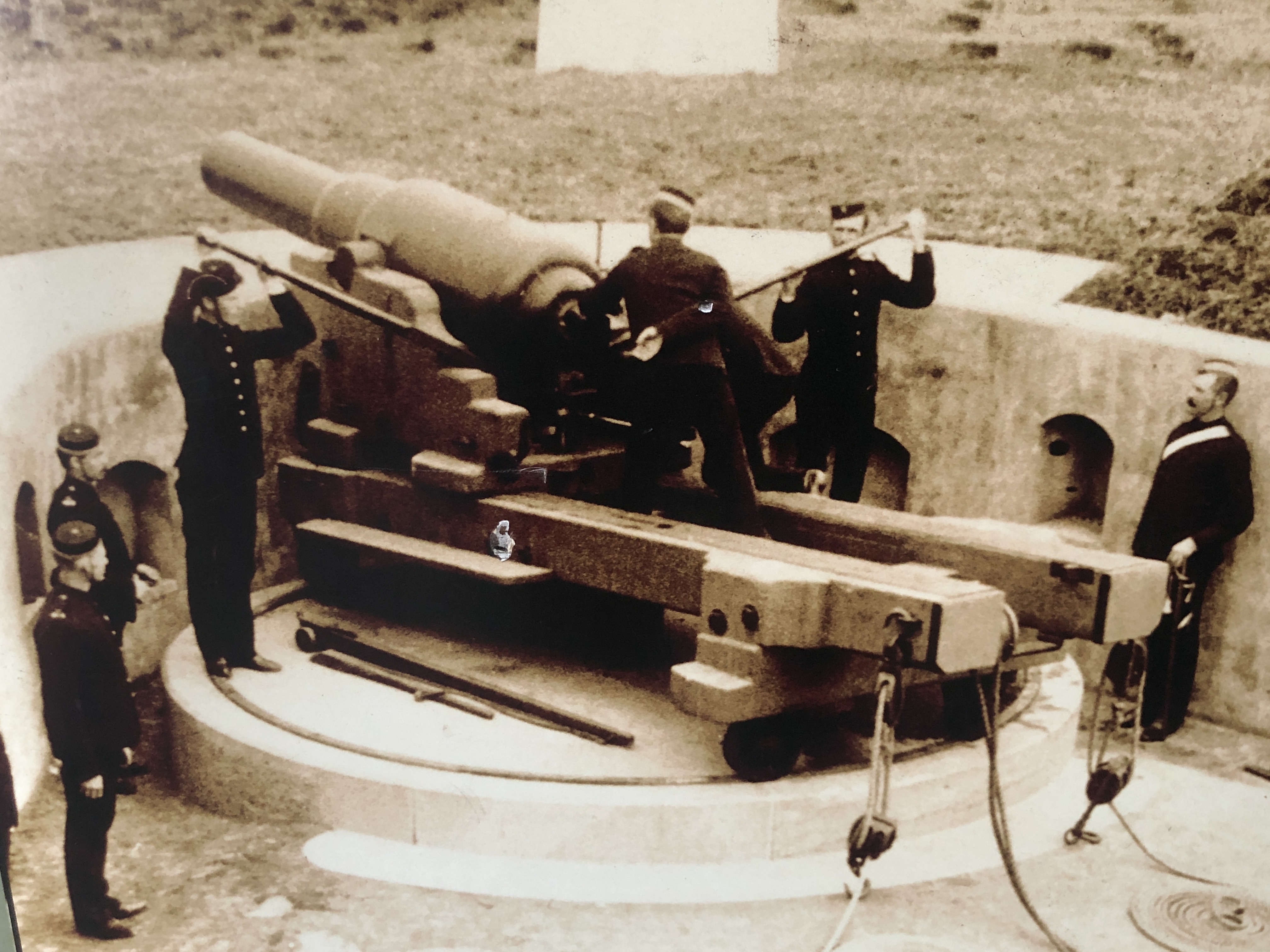
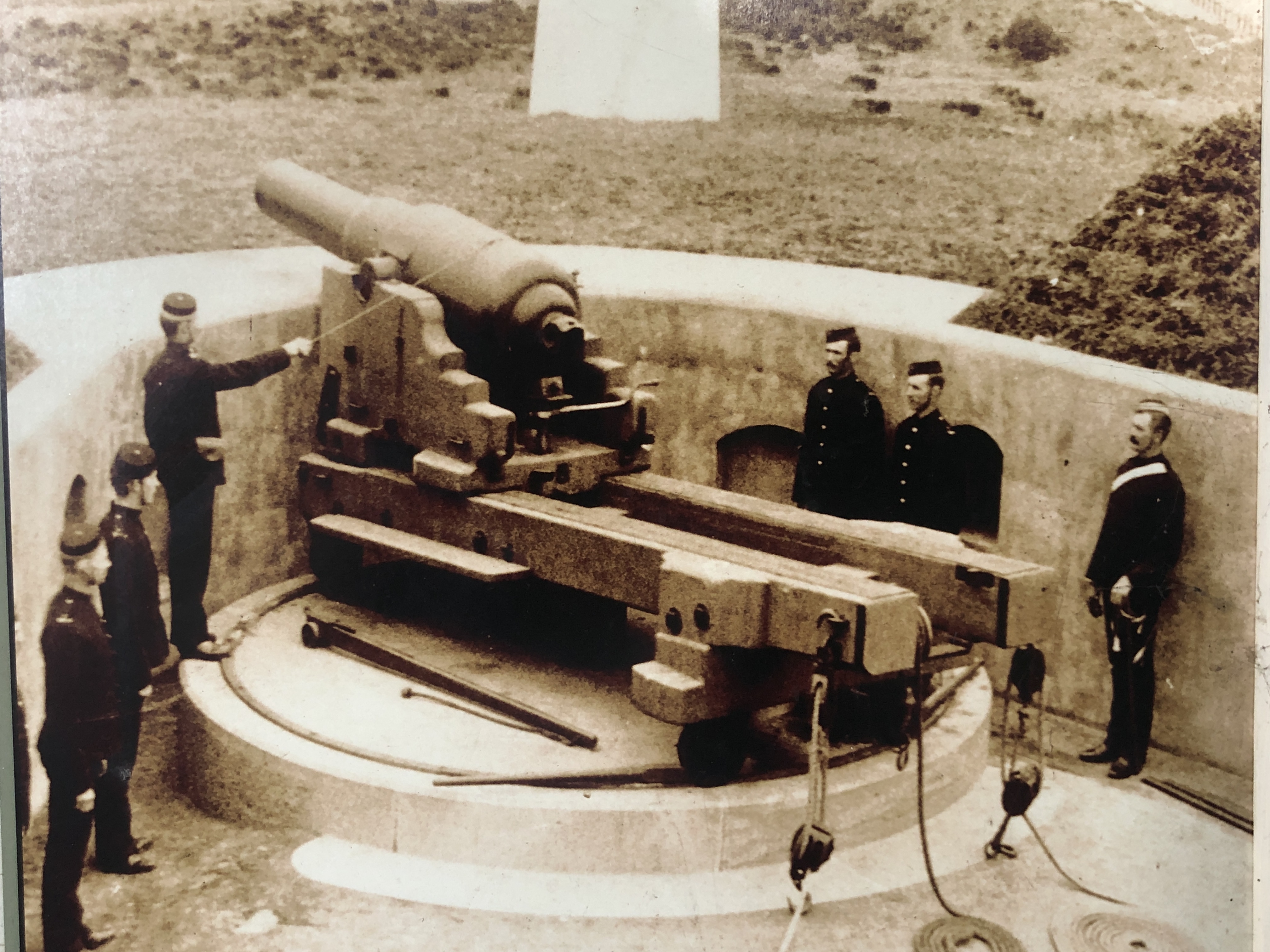
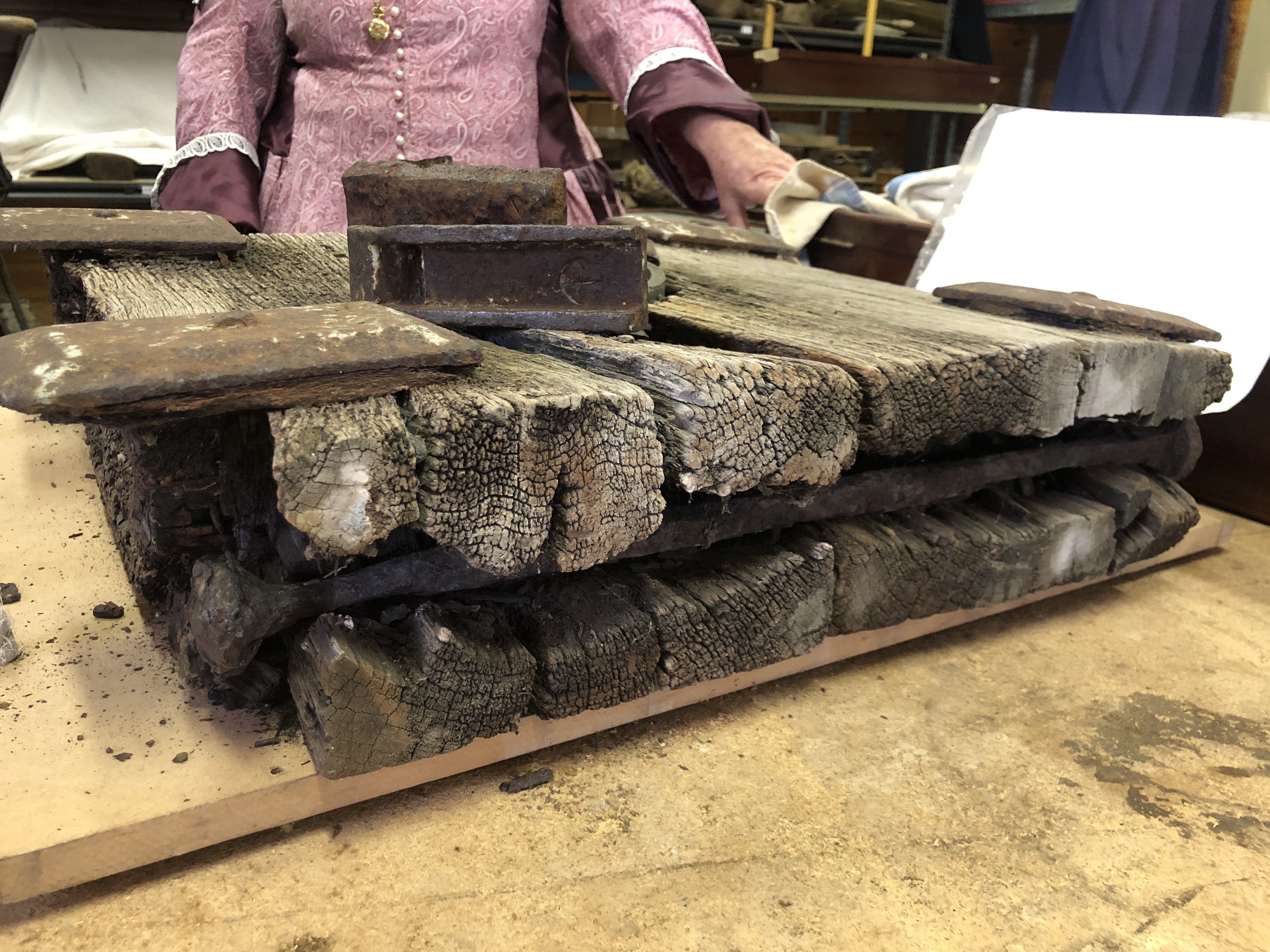
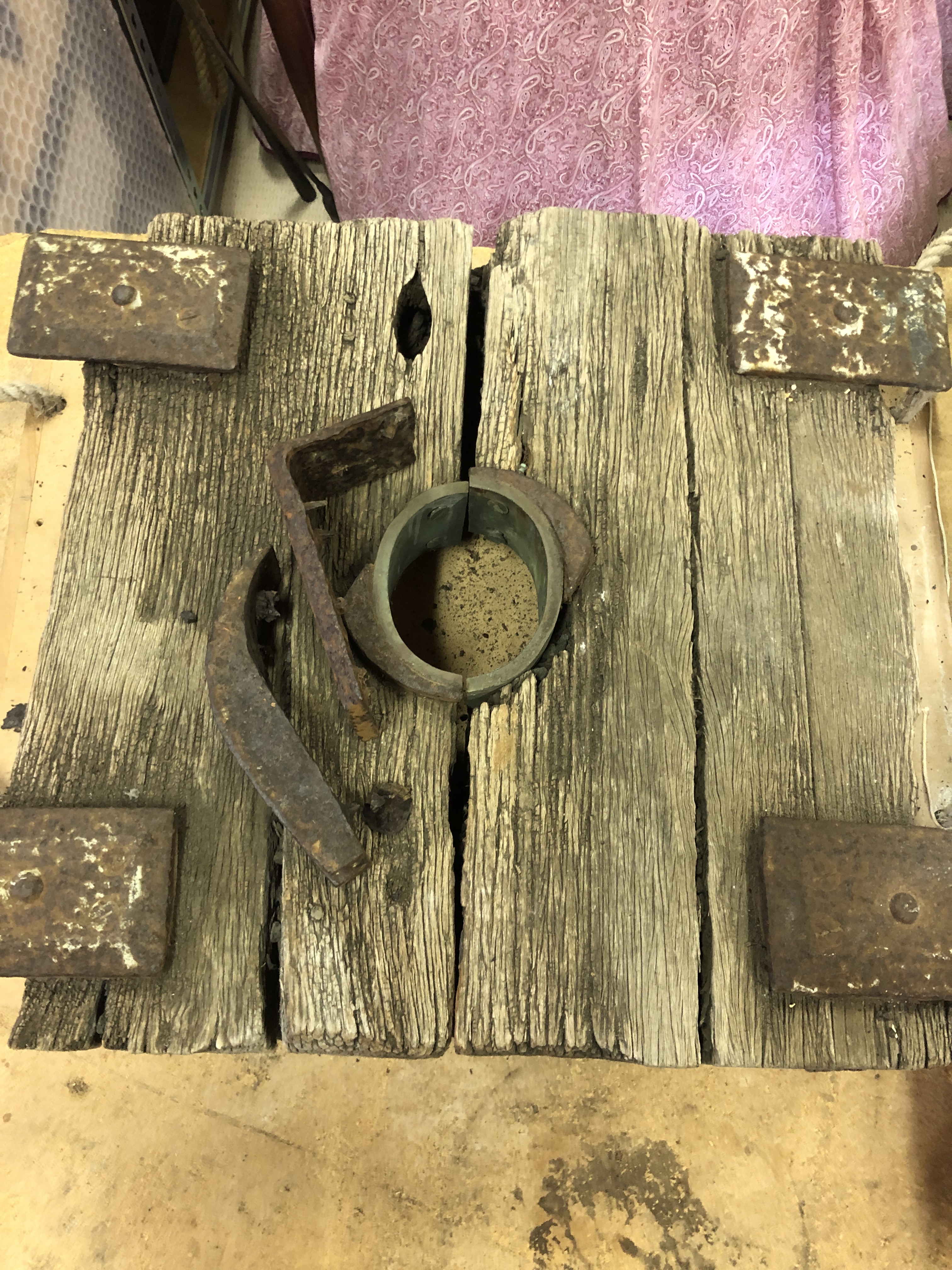
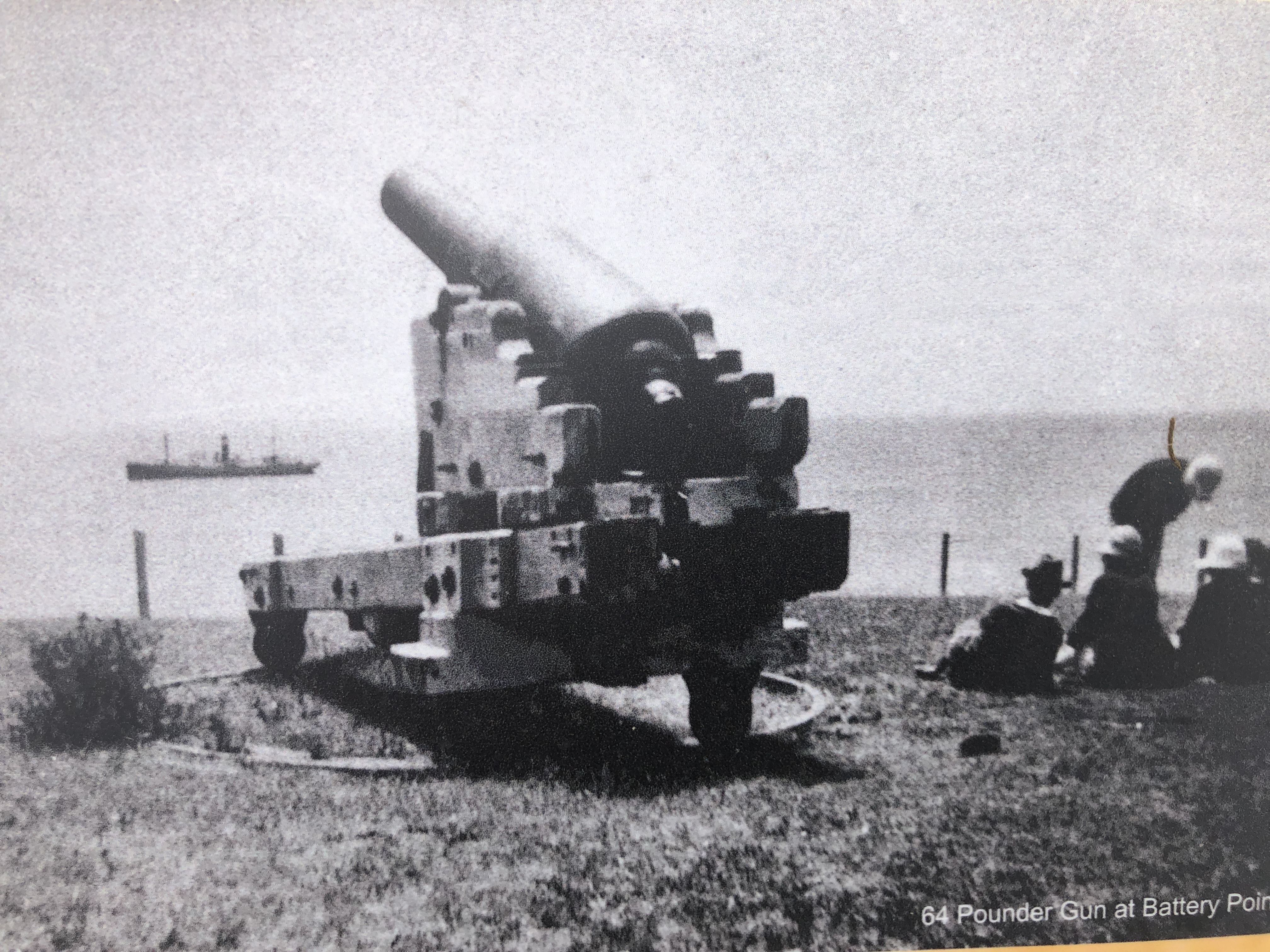
Portland RML, not dated, but I would guess early 20th century, after decommissioning.Portland RML, probably 1880’s?1880’s Information sign at Portland batteryProbably my favourite. The cannons of the Warrnambool Battery being relocated to Flagstaff Hill 1887. On wooden carriages, and towed by a steam traction engine.The Warrnambool RML on its original wooden chassis & carriage. Adjusting the elevation with crowbars while using the sights. Traversing had been adjusted with the blocks and tackles.Pulling the lanyard to fire. There was a recoil dampener. See next photograph.At Flagstaff Hill Warrnambool there is an 80 pounder on its original teak carriage. I asked to see the recoil dampener which had been removed. 2 staff members very kindly took me into the warehouse where many unrestored items are located. This is the dampener. I guess that the bronze clamps were compressed onto a metal rod to reduce the recoil distance at firing. (nb. Aug 2024. That is incorrect. There was an iron eliptical post separating the bronze split ellipse, which when rotated by a long handle pushed the wooden halves apart. The wooden halves acted as brake shoes, to slow the rate of descent of the carriage/barrel down the slide to the firing position. According to an 1874 book titled Treatise on Military Carriages, the brake was mainly used to limit the recoil on firing.) I have searched the Internet for pictures or other evidence of the wooden braking system, but this is the only one that I could discover. When not in use, the wooden brake was normally removed and stored under cover, along with sights, and other removeable parts. It is amazing that this one was found, albeit dilapidated ON an old, relatively intact gun. I made several model guns which used this system. See later posts.)Externally the 64 pounder was the same as the 80 pounder. On its original teak chassis. There are several original chasses still in existence at Flagstaff Hill, Warnambool and Hopetoun Gardens, Elsternwick. One of the slides at Warnambool is badly rotted, exposing the otherwise hidden iron fittings within.
These are interesting photographs. I was impressed in the relocation photo noticing that it is not just a steam traction engine. It’s the full pomp and ceremony only missing the bandsmen. They may have even been out of frame leading it all. The only people not in uniform are the traction engine driver and co-driver. Oh, and they had a tail wind given the steam cloud enveloping those in front.
The firing of the canon I assume is a staged photograph or the crew were already deaf from previous firings??
“Tail wind”. haha. Important for keeping chimney soot off white shirt of driver. I guess that the firing is staged. They do not look too tense, do they?




 johnsmachines
Thanks,
These are interesting photographs. I was impressed in the relocation photo noticing that it is not just a steam traction engine. It’s the full pomp and ceremony only missing the bandsmen. They may have even been out of frame leading it all. The only people not in uniform are the traction engine driver and co-driver. Oh, and they had a tail wind given the steam cloud enveloping those in front.
The firing of the canon I assume is a staged photograph or the crew were already deaf from previous firings??
LikeLike
“Tail wind”. haha. Important for keeping chimney soot off white shirt of driver. I guess that the firing is staged. They do not look too tense, do they?
LikeLike